Welcome to Hebei Opportunity Co., Ltd
Volkswagen's entry-level electric vehicle, expected to be named the ID.Up, will debut at the 2027 Munich Motor Show.
Volkswagen has recently confirmed that its entry-level electric vehicle will be named ID.Up, rather than the previously rumored ID.1.
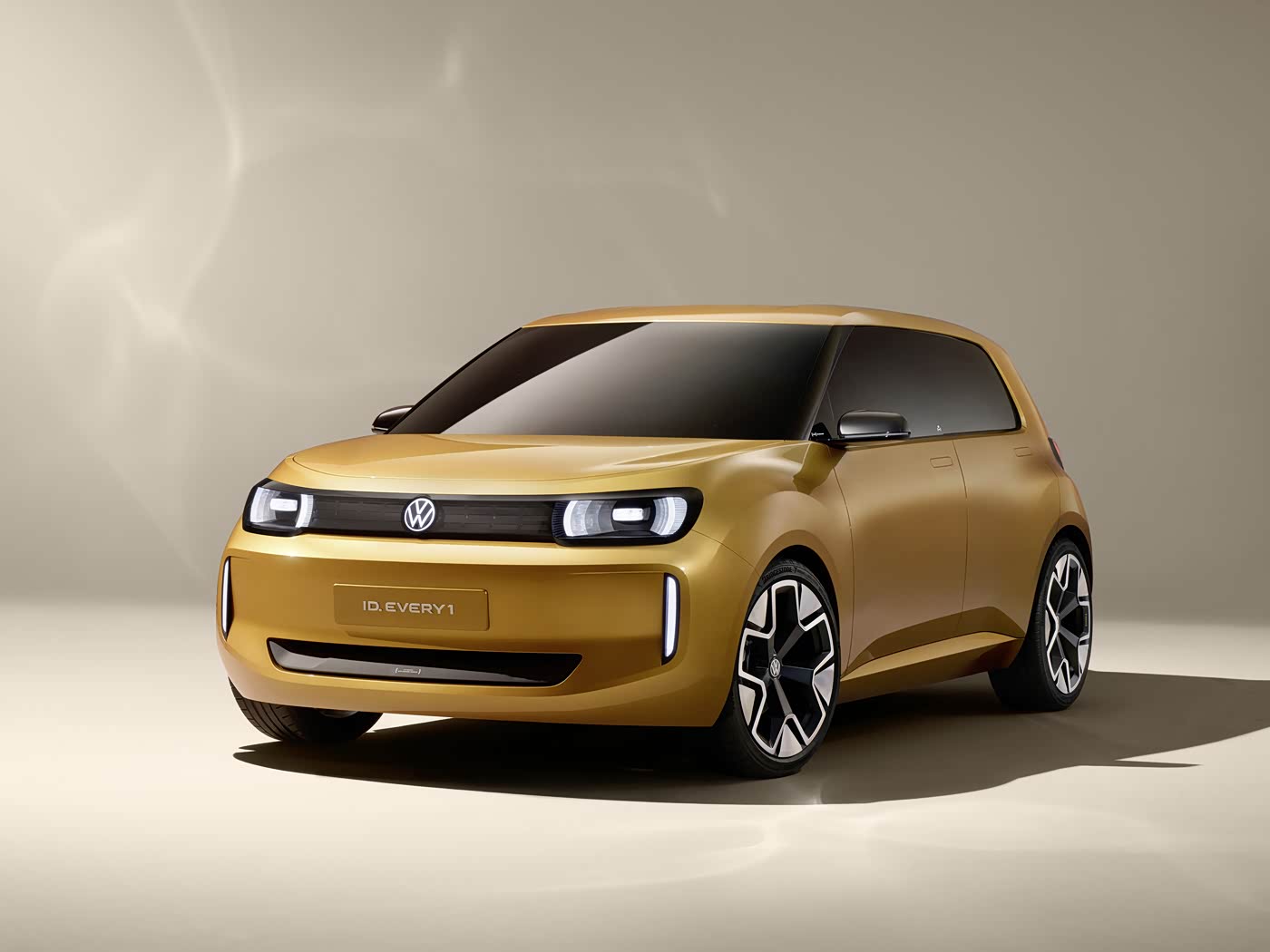
Reusing the classic "Up!" nameplate reflects Volkswagen's latest naming strategy. The brand has already introduced the ID.Polo and plans to launch the all-new ID.Tiguan after this summer, effectively transplanting the names of historic, iconic models into its electric vehicle lineup. The original Up! spent 12 years on the European market—including the release of an electric "e-Up!" variant—before officially ceasing production in 2023; the ID.Up can be viewed as its electric successor.
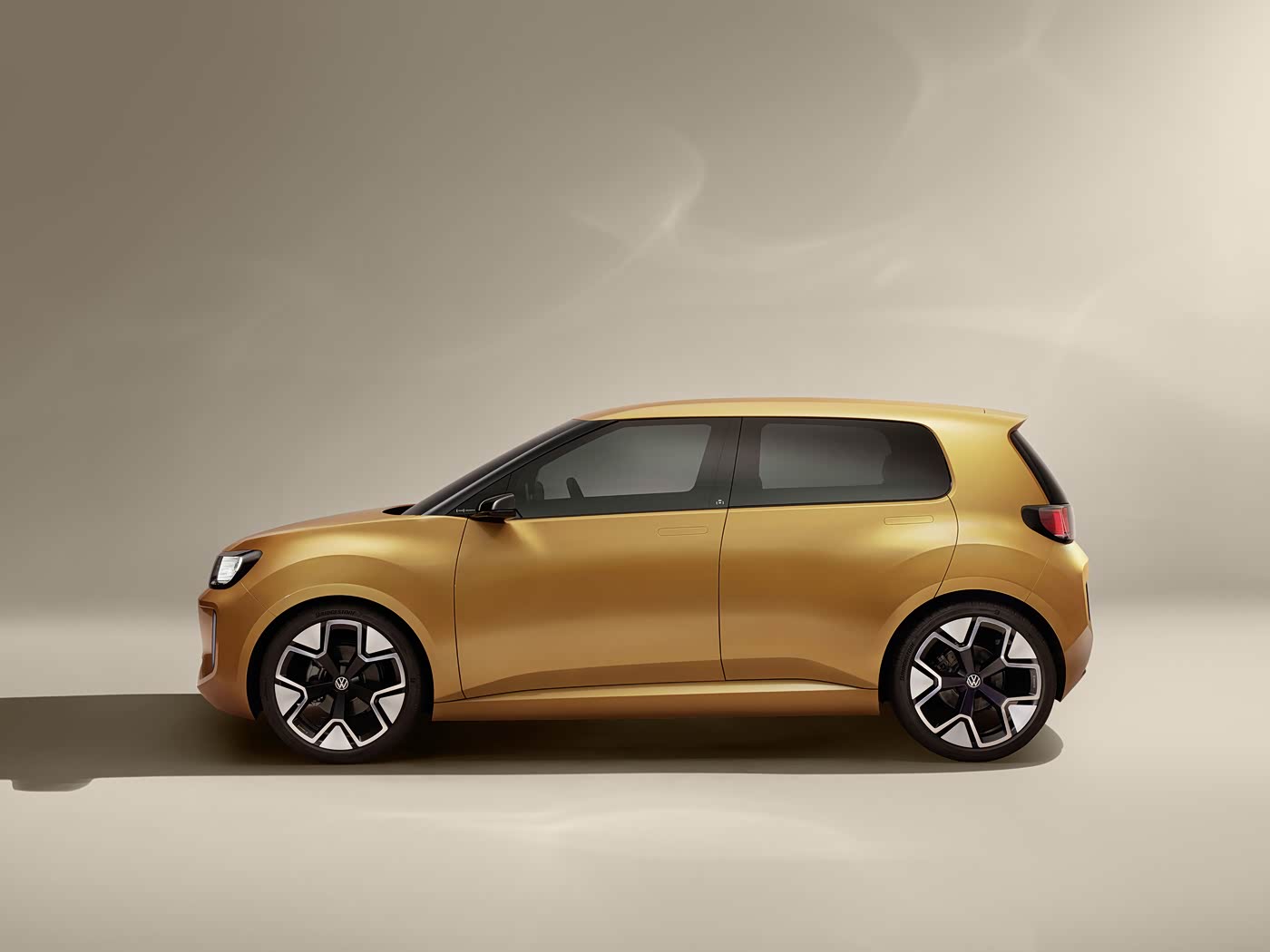
The new model is derived from the ID.EVERY1 concept car; in terms of dimensions, the ID.Up measures 3,880 mm in length—an increase of 280 mm over the previous Up!—a change resulting from the hardware layout of its dedicated electric vehicle architecture. Its exterior carries forward the concept car's clean, crisp design language while retaining the characteristics of a compact city car.
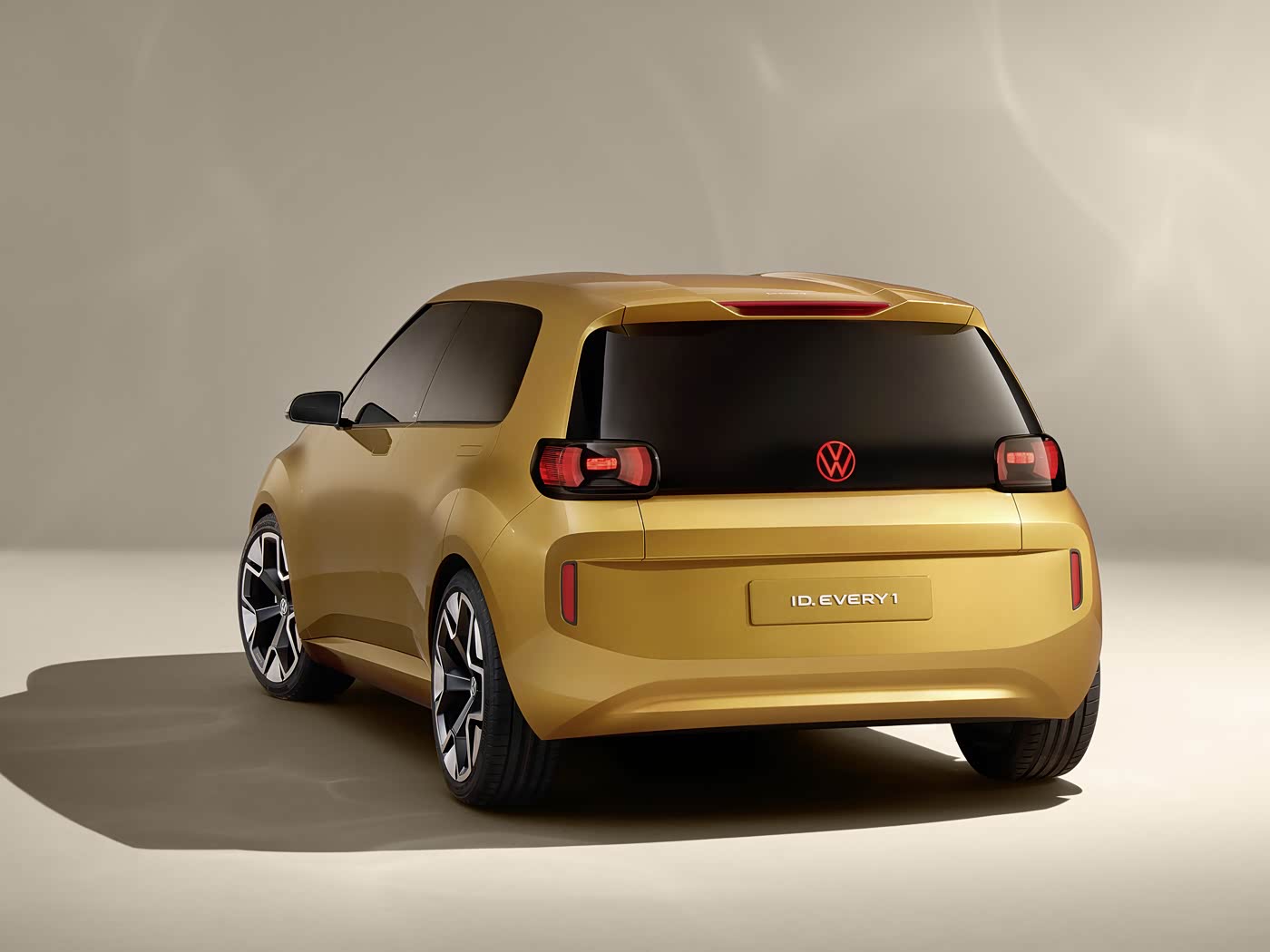
According to the plan, the ID.Up will make its global debut at the 2027 Munich Motor Show. The new vehicle will feature a next-generation in-car software system jointly developed by Volkswagen and Rivian; this system reduces the number of onboard control units and wiring harnesses, with a design philosophy benchmarking the "super vehicle brain" of BMW's Neue Klasse platform.
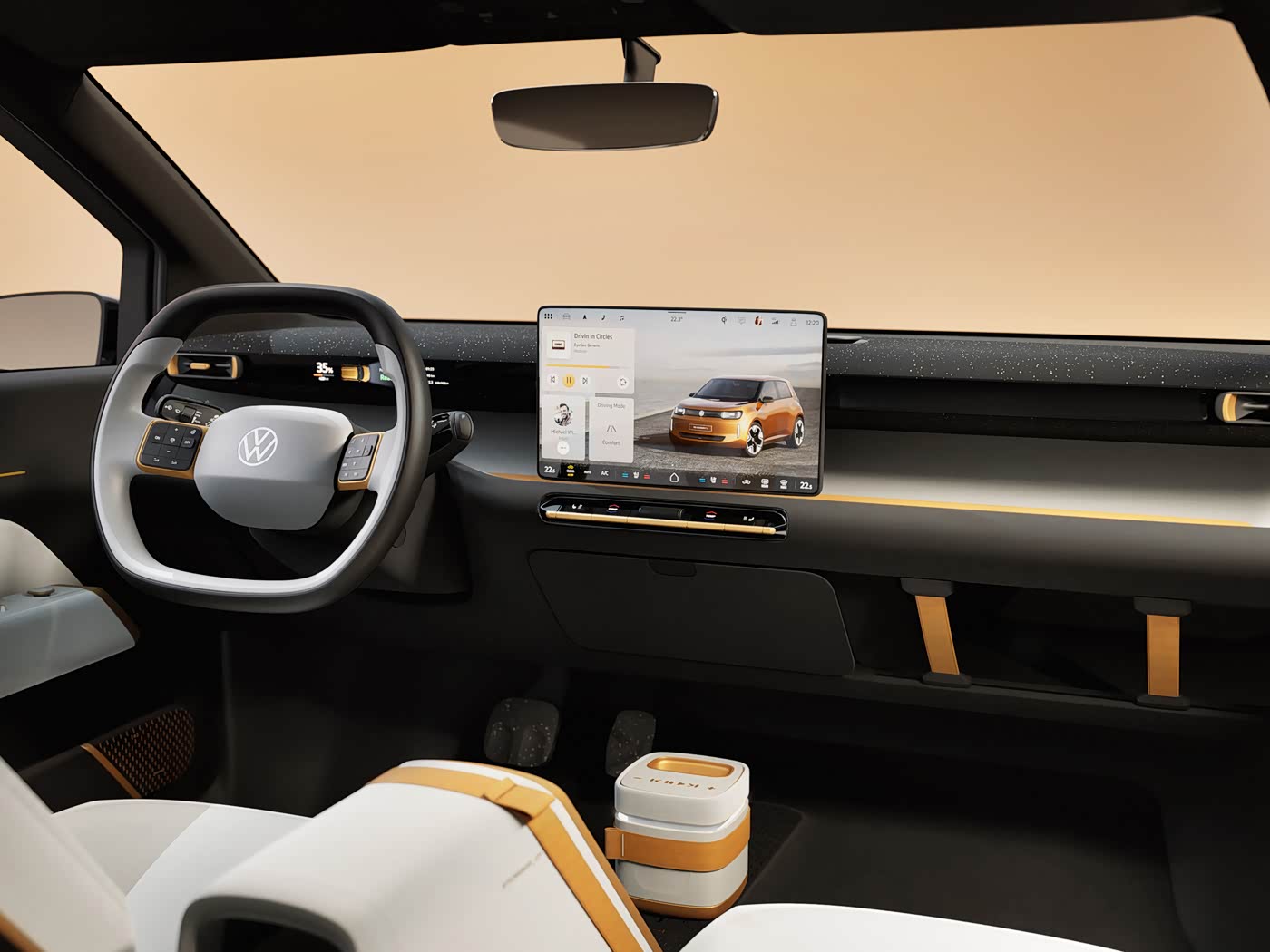
However, for the ID.Up, the greatest challenge is not software technology but cost control; the new vehicle will extensively reuse components from existing platforms, leveraging the mature supply chain of the MEB+ platform to reduce costs.
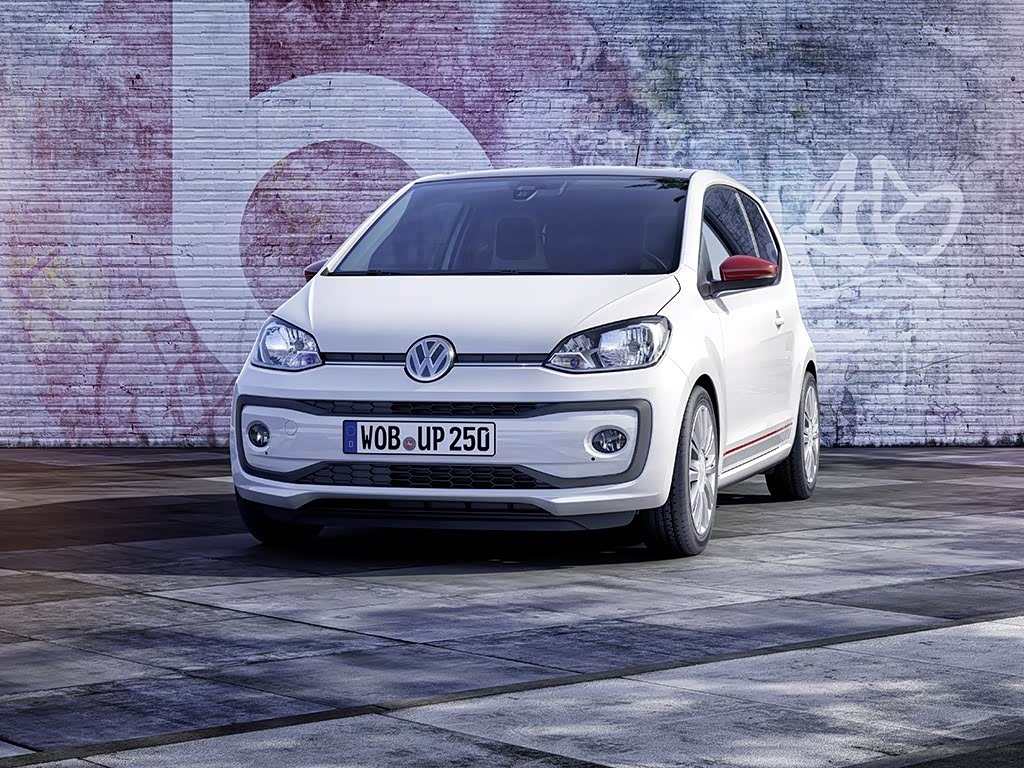
Up!
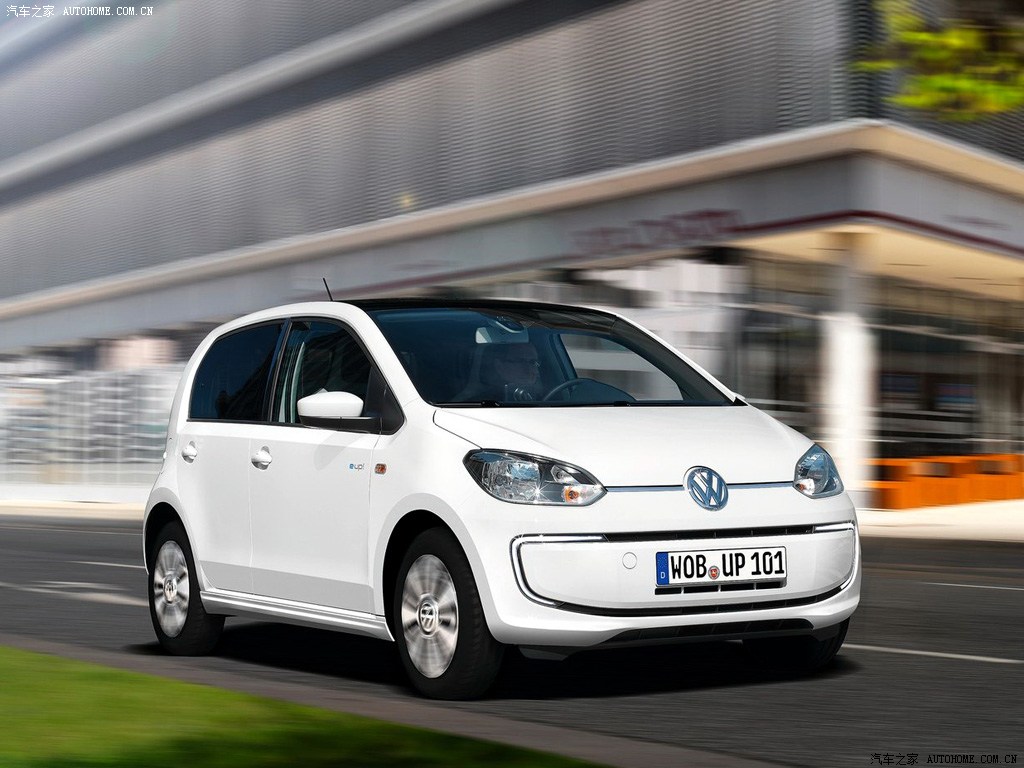
e‑Up!
The concept refinement phase took a year and a half to complete. The vehicle's structure from the front end to the A-pillar is essentially identical to that of the ID.2; it features a new drive motor and utilizes lithium iron phosphate (LFP) battery cells with a capacity of under 40 kWh, while also reusing the ID.Polo's rear axle assembly to minimize manufacturing costs. Despite this rigorous cost-control strategy, the company emphasizes that the compact car will retain the signature driving feel associated with the Volkswagen brand.
Popular Products
Recent News
Copy© 2000-2024 Hebei Opportunity Trading Co., Ltd All rights reserved 
Quickly Inquiry
*Is it a dealer:
yes
no


