Welcome to Hebei Opportunity Co., Ltd
Why will the Geely Xingyue L become the best-selling gasoline SUV in 2025?
Even after 2025, the Xingyue L, which has been popular for many years, is still incredibly popular.
According to industry sales statistics for 2025, the Geely Xingyue L ranked first in sales among all gasoline-powered SUV models throughout the year. This is the second consecutive year that the model has achieved this position.
By the end of 2025, Geely Xingyue L's global cumulative sales had exceeded 905,000 units. This figure stands in stark contrast to the current mainstream trend in the automotive industry, which clearly points towards electrification. Given this clear industry transformation, the fact that a gasoline-powered model can still maintain such a level of market acceptance is worth analyzing.
The Chinese auto market has never lacked miracles. In my opinion, the success of the Xingyue L is somewhat "predestined," more like a result of a high degree of matching between product strength and real consumer demands in a specific market. The Xingyue L's consecutive wins also provide a concrete case study for observing the complex and diverse consumer logic in the Chinese auto market.
How to deal with homogeneous competition? Enhance the user experience in mature technology sectors.
The primary challenge currently facing the gasoline-powered vehicle market is the near-maturity of its core technologies. Gasoline-powered vehicles have been developing for a century, and the core technologies of the three major components—engine, transmission, and chassis—have been largely exhausted, leaving little potential for newcomers.
This has led to a situation where product differentiation is difficult, easily falling into a simple competition of specifications and price. All automakers can do is reduce material costs and cut features; there's limited room for other adjustments. The Xingyue L's strategy, however, is to refine the experience across multiple mature dimensions, attempting to build a comprehensive product depth.
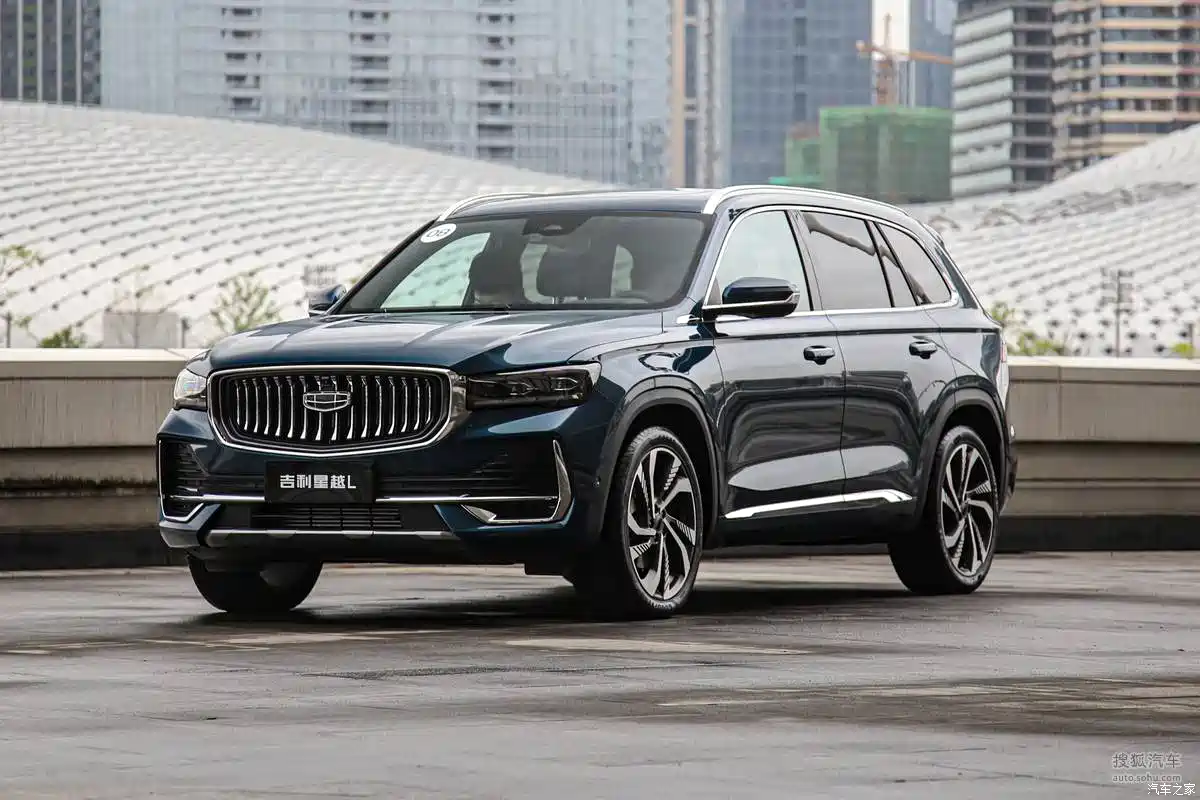
What is product depth? The most important thing is the experience.
For example, in terms of mechanical performance, the core of the Xingyue L is to improve driving quality. The CCD variable damping suspension equipped in the new Xingyue L Oriental Edition is a known technology, but its practical significance lies in bringing this feature down to the 150,000 yuan price range.
In my opinion, the key to this choice lies in its direct fulfillment of family users' needs for ride comfort. By scanning the road surface in real time and adjusting the damping, the primary goal of this system is not sportiness, but rather to ensure a relatively stable ride in the cabin under various common road conditions, whether it's urban road repairs or unpaved rural roads.
With its 2.0TD high-power engine and Aisin 8AT transmission providing ample power, the Xingyue L can achieve a maximum power of 200kW and a 0-100km/h acceleration of 7.3s. Coupled with the rapid torque distribution capability of the BorgWarner sixth-generation four-wheel drive system, the Xingyue L's power and chassis performance are sufficient and have room for maneuver.
This experience doesn't pursue ultimate performance, but emphasizes improved quality in various everyday scenarios, which perfectly aligns with the core expectations of mainstream family users for a gasoline SUV: stability, comfort, and a sense of security.
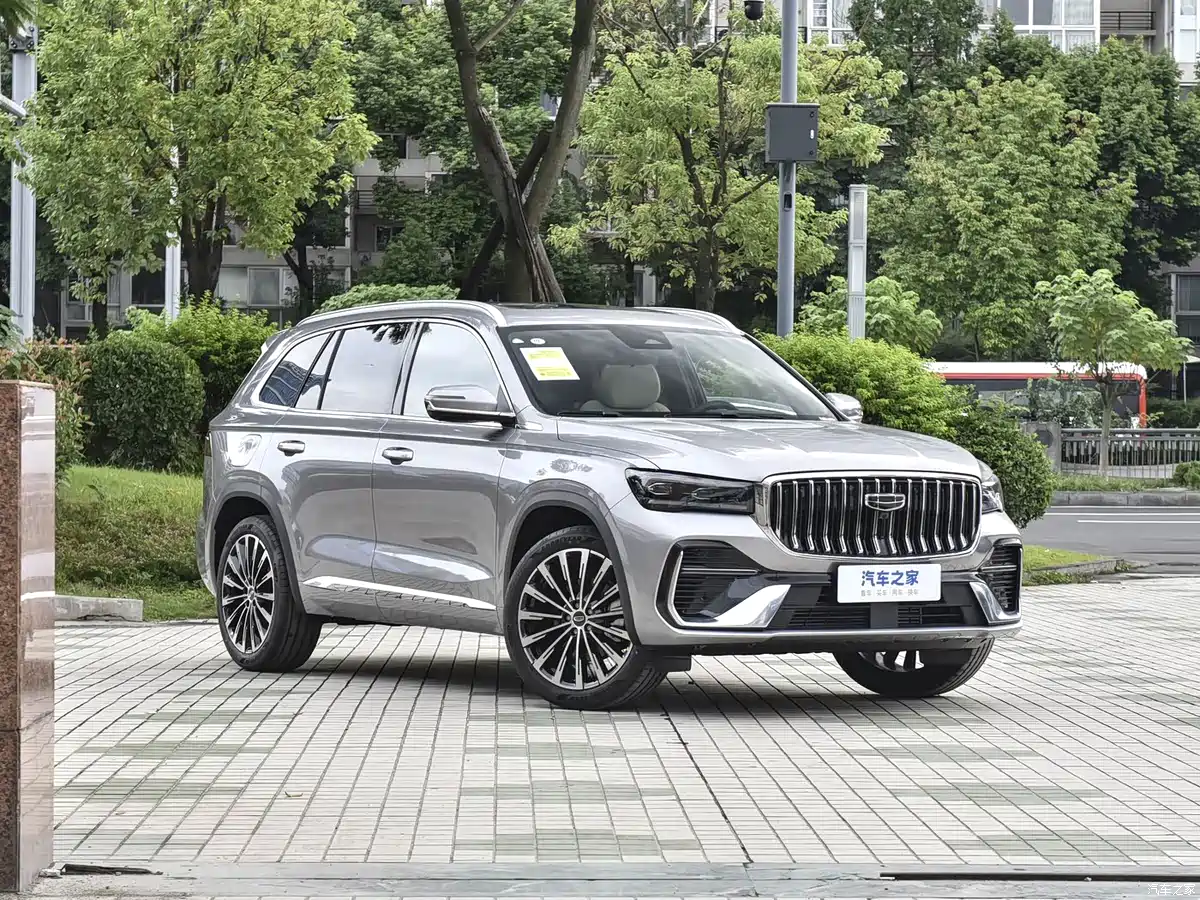
In terms of interior design, the Xingyue L aims to provide emotional value. Elements such as the Mogao Blue exterior color, the Mingsha Liujin suede interior, and the Yuequan Yuzun crystal gear lever, from their naming to their material selection, all attempt to establish a unique visual identity.
This approach is more sophisticated than the functional interior designs commonly found in vehicles at this price point. By injecting a clear aesthetic theme and adding sophisticated cultural imagery, it precisely meets consumers' demands for quality. While it may not appeal to everyone, it creates a distinct design element that makes the product memorable, adding an emotional appeal beyond mere rational parameter comparisons.
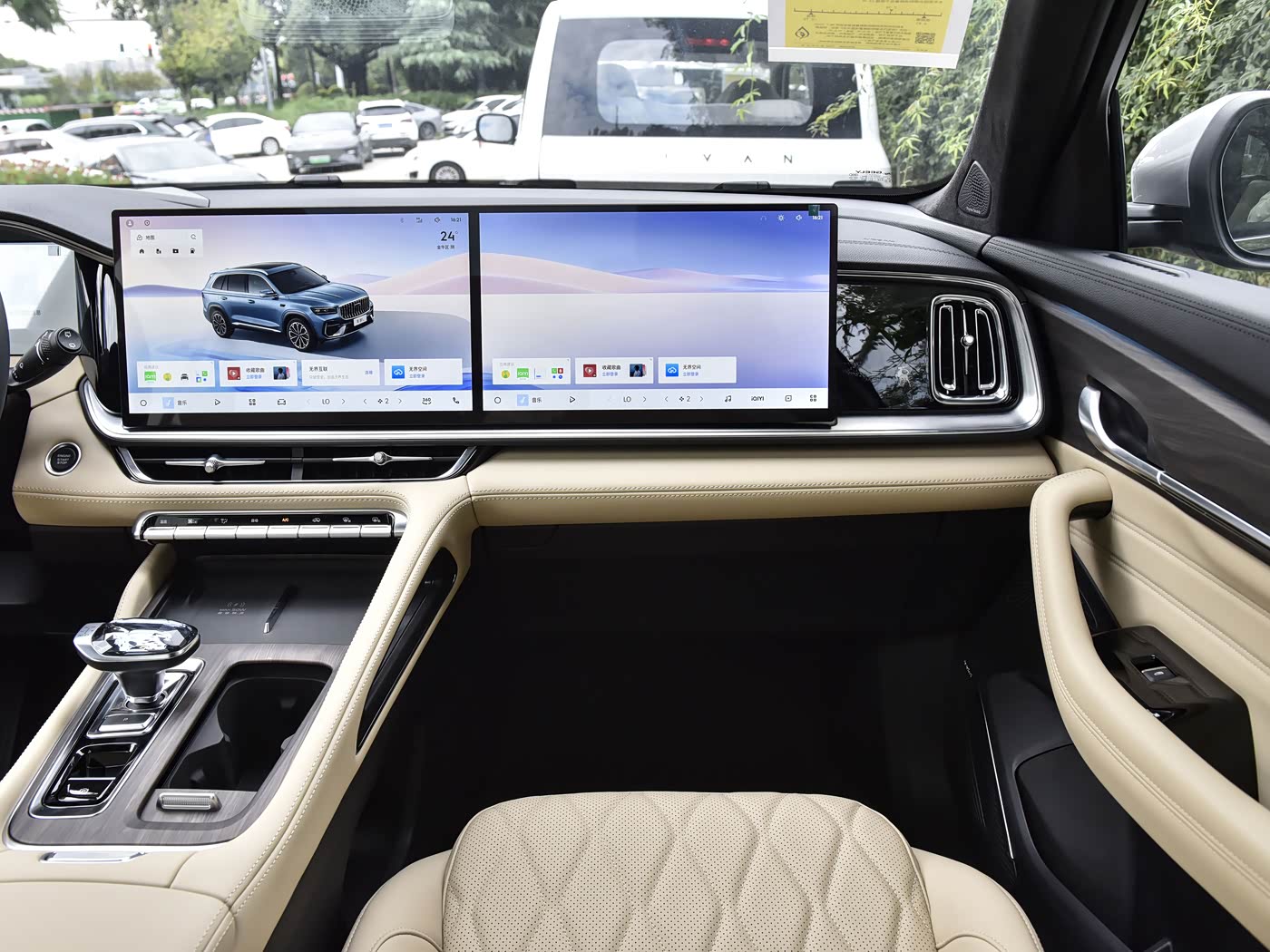
The core of the Xingyue L's intelligent cockpit is to improve interaction efficiency and convenience. The Flyme Auto in-vehicle system, combined with the Qualcomm 8155 chip, ensures basic smoothness in multi-screen interaction.
The Geely Xingyue L's feature design, tailored to various scenarios, is particularly noteworthy. For example, the passenger-side screen supports independent entertainment and quick sharing with the navigation map via a three-finger swipe, directly serving the different needs of the driver and front passenger on long journeys; the AR-HUD integrates navigation information with the real-world view, with the core purpose of reducing driver distraction and improving driving safety. These features address pain points that also exist in both gasoline and electric vehicles.
In terms of driver assistance, the Xingyue L's functional boundaries are relatively clearly defined. The HNOA highway navigation assist is based on a vision-based, map-free solution, mainly covering highway and urban elevated road scenarios, enabling automatic following, cruise control, and voice-commanded lane changing. The APA/RPA automatic parking system focuses on solving parking difficulties.
The Xingyue L's consecutive sales success is a testament to its successful market positioning during a period of industry transformation. It demonstrates that beyond electrification, there remains a stable demand in the market for high-quality, high-value gasoline-powered vehicles. The key to the Xingyue L's success lies in its accurate understanding and fulfillment of this demand, winning over consumers with a systematic product portfolio and pragmatic market strategies.
Popular Products

Recent News
Copy© 2000-2024 Hebei Opportunity Trading Co., Ltd All rights reserved 
Quickly Inquiry
*Is it a dealer:
yes
no


