Welcome to Hebei Opportunity Co., Ltd
As the technological panorama unfolds, how will Voyah's Chasing Light L rewrite the final chapter of the luxury car market?
The current automotive industry's transformation path appears clear, yet it is actually
quite arduous.
The clarity lies in the well-known fact that electrification is the definite endpoint.
The arduousness lies in the numerous variables along the way: charging anxiety,
intelligent driving safety, value reconstruction… each issue tests the technological
reserves of the participants.
The standards of "luxury" once defined by traditional luxury brands are being rapidly
deconstructed and rebuilt in the context of the era of intelligent and electric drive.
In this disruption, a group of Chinese high-end brands are no longer content to
follow, but are attempting to master core technologies and become rule-makers.
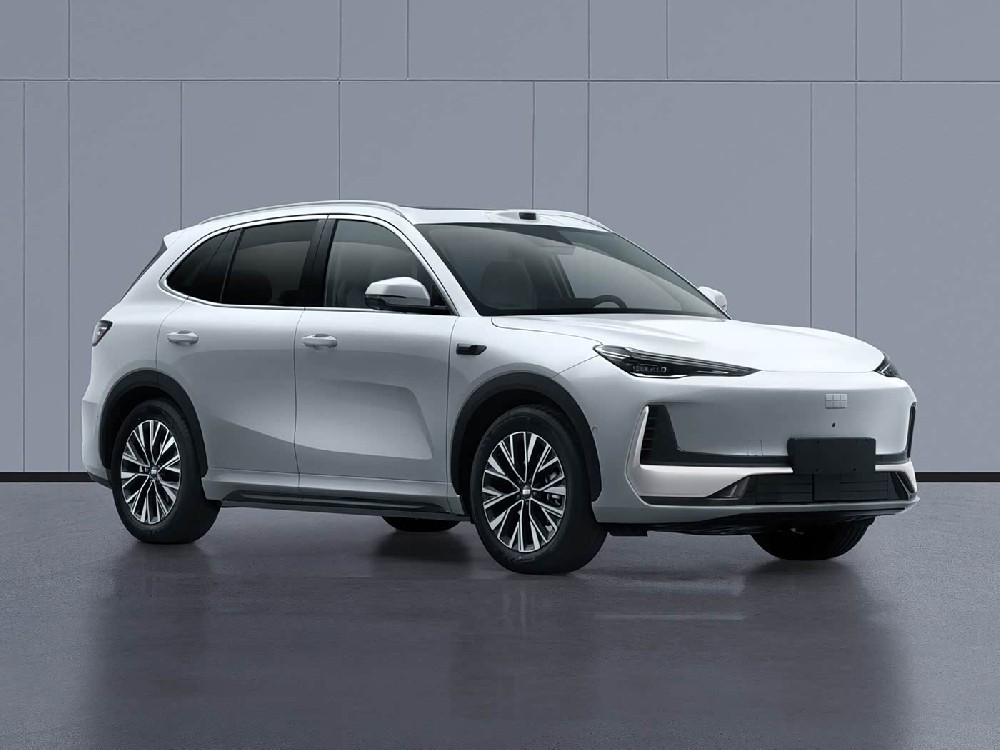
Voyah's latest masterpiece, the Chasing Light L, debuts against this backdrop. Built
upon the two core technological pillars of "Huawei Qiankun Intelligent Driving ADS4"
and "800V LanHai Intelligent Super Hybrid," the Chasing Light L demonstrates an
ambition to fundamentally solve existing pain points in the industry and redefine the
standards for high-end intelligent hybrid sedans.
From the popularization of electrification to the breakthrough in intelligent and
anxiety-free travel
In the past few years, the penetration rate of new energy vehicles has continued to
climb, and has now stabilized at over 50%, making gasoline vehicles a complete
minority.
However, the industry has also clearly seen its growth ceiling. Once the needs of the
first wave of adventurous users have been met, the broader mainstream consumer
group, especially potential buyers of traditional luxury gasoline vehicles, are making
more rational and demanding purchasing decisions. How to satisfy these groups has
become the next challenge for the industry.
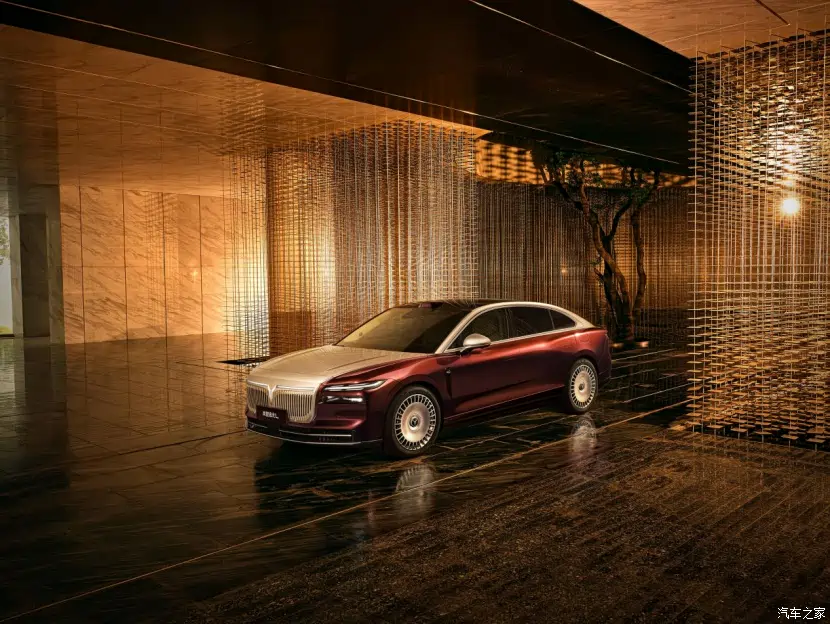
This issue highlights deep-seated pain points in the industry. Firstly, while pure electric
vehicles excel in performance and intelligence, range anxiety and refueling concerns
persist for long-distance travel, and the development of fast-charging infrastructure
will take time. Secondly, a significant gap exists between "usable" and "user-friendly"
intelligent driving, and balancing safety and experience remains a challenge.
This means that the core of competition in the next stage will shift from simply
competing on electrification penetration rates to a comprehensive competition of
capabilities that "completely resolve user anxiety" and "provide a seamless, high-end
experience."
I believe the market needs an "all-around" solution that truly integrates the quality
of pure electric driving, no range anxiety, top-tier intelligent experience, and luxurious
driving comfort. Only such a solution can truly end the current pain points in the market.
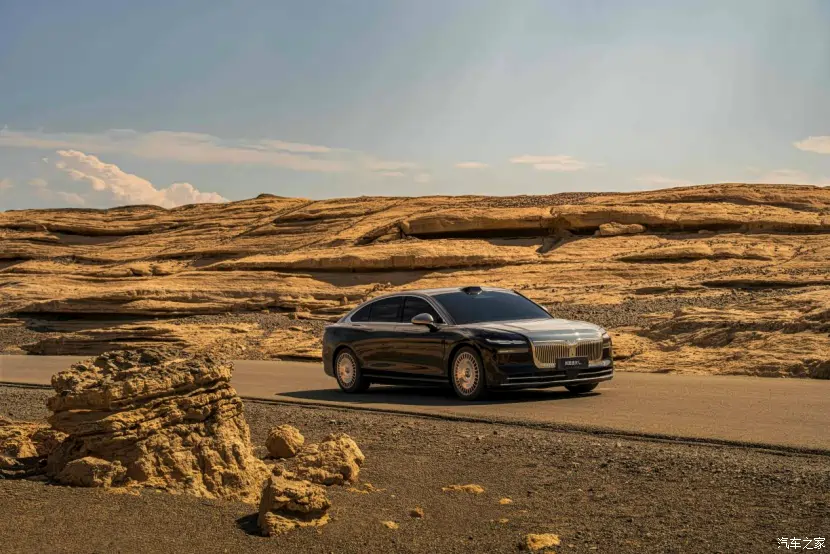
In this process, Voyah's role is noteworthy.
From a market perspective, the brand's growth environment is rather unique. On one
hand, it is backed by a strong traditional automotive manufacturing system, possessing
a solid foundation in vehicle safety, chassis tuning, and quality control; on the other
hand, it actively engages in deep integration with top technology companies like
Huawei, absorbing cutting-edge intelligent and electric drive platform technologies.
This dual-track model of "manufacturing foundation + technological ecosystem" may
be a pragmatic path for Chinese brands to penetrate the high-end market. Voyah's
"800V LanHai Intelligent Super Hybrid" and "Huawei Qiankun Intelligent Driving ADS4"
are key components. The former aims to break down the technological boundaries
between electric and gasoline, achieving a balance between worry-free long-distance
driving and everyday pure electric driving; the latter strives to extend advanced
intelligent driving from highways to urban areas, pursuing decision-making reliability.
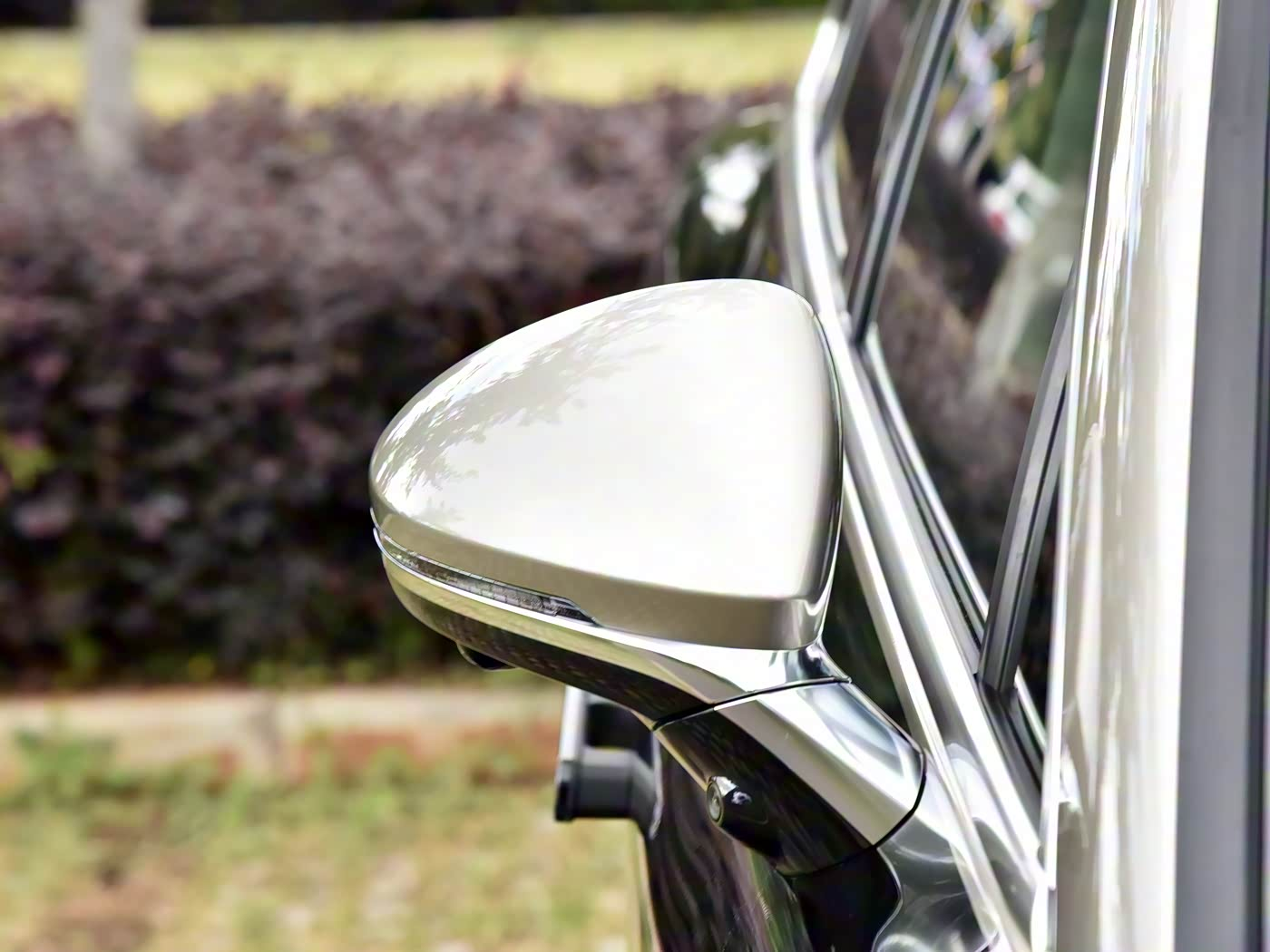
How Does Voyah's 800V Intelligent Super Hybrid Reconstruct the Benchmark for Hybrid
Value?
Hybrid technology has evolved far beyond its initial role as a mere fuel-saving solution.
However, to truly become mainstream, especially attracting consumers who previously
focused on luxury gasoline vehicles, it must answer some fundamental questions: In the
wave of electrification, what is the unique value of hybrid technology? Is it still merely a
stopgap measure for transitioning to pure electric vehicles, or does it offer a more
comprehensive solution for the present?
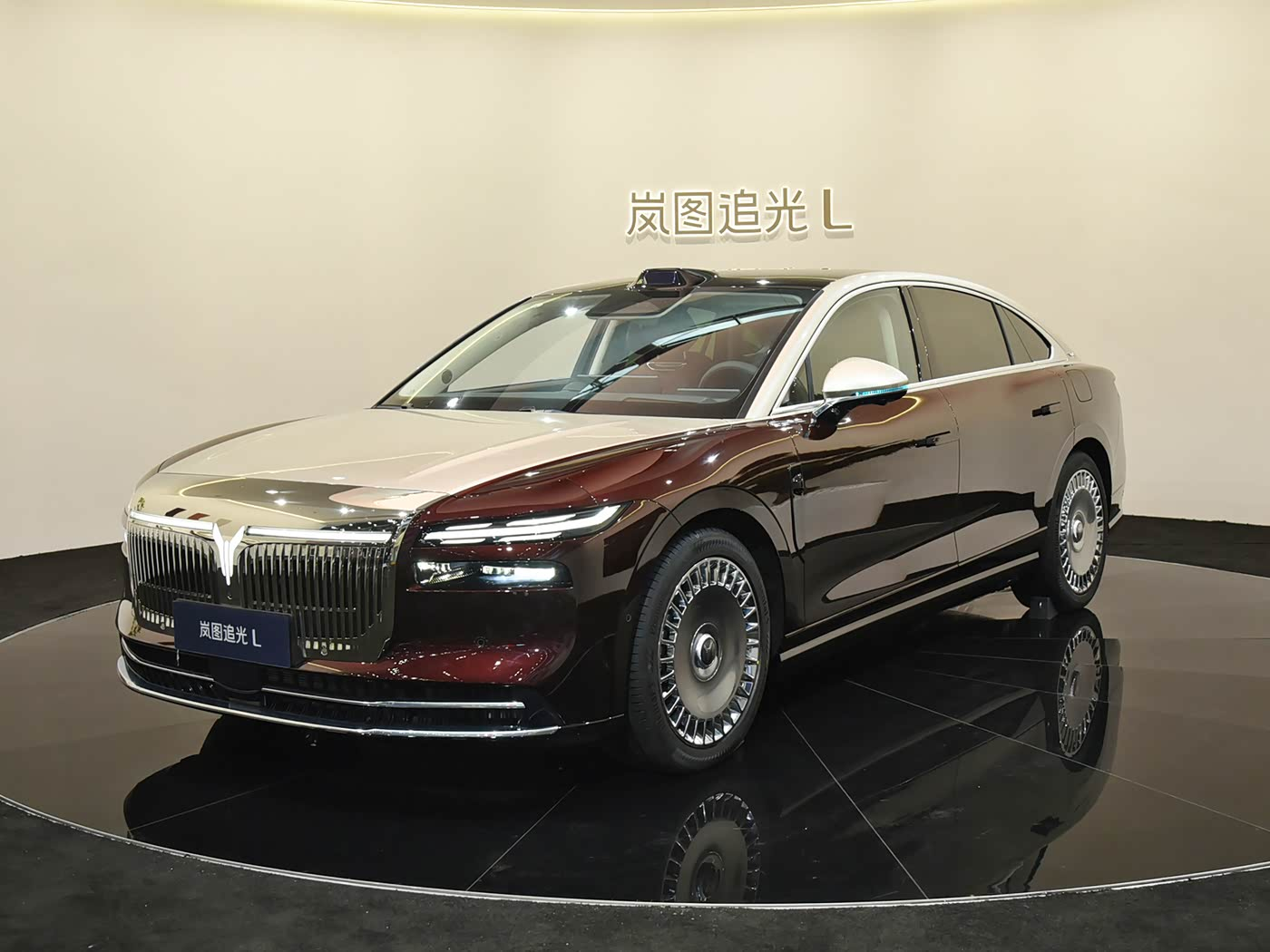
Voyah's "800V Intelligent Super Hybrid" solution for the Lantau Chasing Light L clearly
attempts to take the latter approach. It doesn't view hybrid technology merely as a
powertrain system, but rather strives to shape it into a foundational technology capable
of covering almost all driving scenarios.
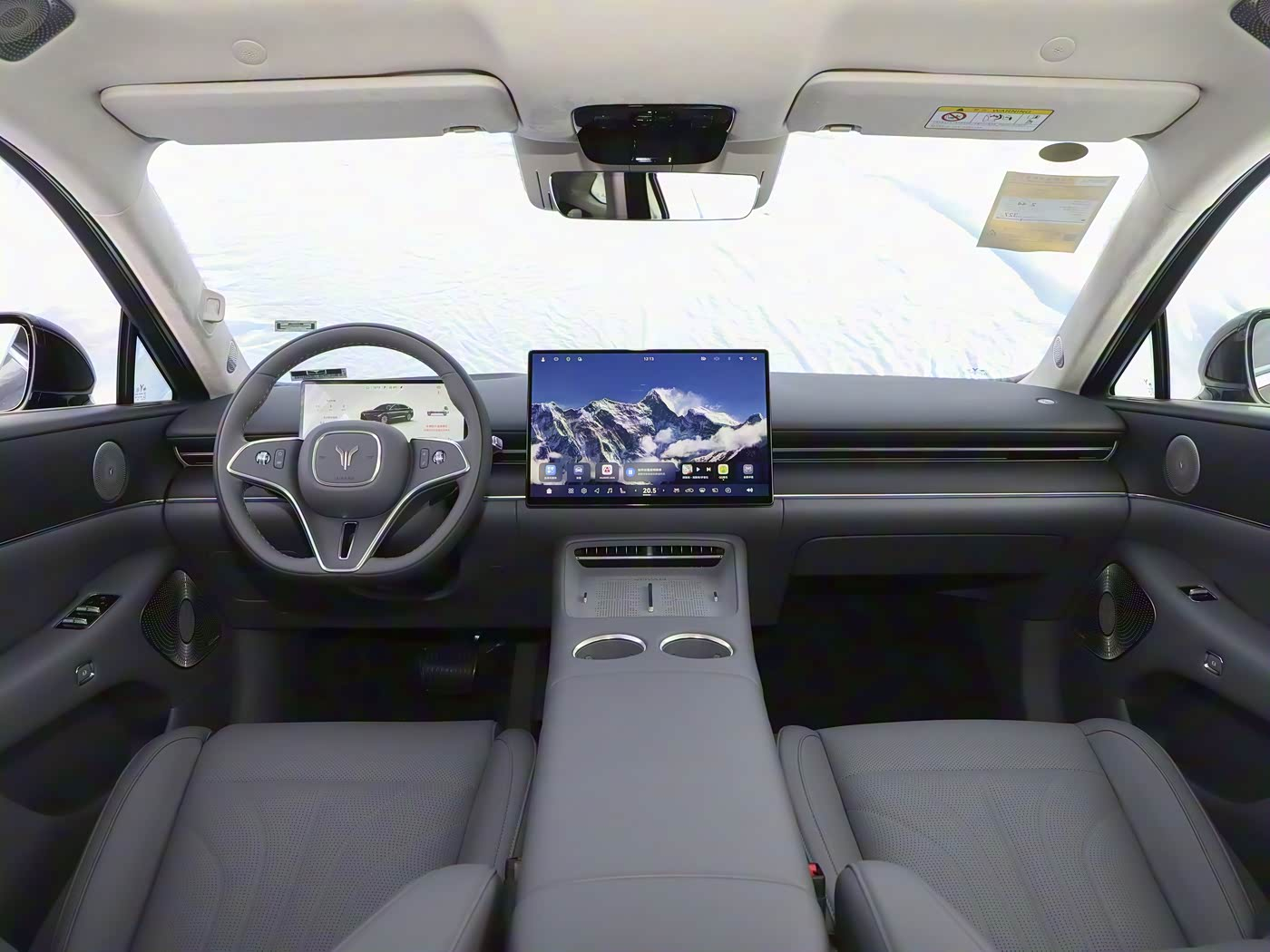
A very real problem is that many plug-in hybrid vehicles still have a pure electric range
limited to just over 100 kilometers. This forces owners to frequently start the engine in
daily use, resulting in a fragmented "electric experience." The Chasing Light L addresses
this by incorporating a large 63kWh battery, giving the CLTC a pure electric range of 410km.
The significance of this large battery is that it transforms pure electric driving from a
carefully budgeted option into the default mode covering most urban commutes and
short trips. Users may only need to charge once a week, truly enjoying low-cost travel,
a quieter cabin, and direct electric drive response, just like a pure electric vehicle. And
when longer journeys are needed, the combined range of 1400km on a full tank and a
full charge provides a solid backup.
It solves not only a charging problem but also a psychological anxiety, freeing users from
having to mentally choose between "electric or gasoline" before every trip.
Another often overlooked area of experience is charging. In the past, the slow charging speed
of hybrid vehicles seemed a weakness that could be forgiven by the availability of gasoline.
However, the Chasing Light L brings an 800V high-voltage platform and 5C supercharging to
the hybrid field, reducing the charging time from 20% to 80% to about 12 minutes. This has
fundamentally changed the usage habits of many users.
In long-distance highway driving scenarios, a short rest at a service area can replenish the
vehicle's charge enough for a range of 200-300 kilometers. This makes charging no longer
a burden requiring deliberate planning and long waits, and its convenience is truly approaching
that of refueling. Of course, building a matching ultra-fast charging network is another challenge,
but the technology itself has pointed the way, and there's no reason for hybrid vehicles to
remain stuck in the past regarding charging experience.
Furthermore, in the core balance between power and efficiency, this system demonstrates
excellent harmonization capabilities.
A combined power output of 485kW and a 0-100km/h acceleration time of 4.8 seconds
give it the confidence to challenge traditional high-performance gasoline vehicles. Even
more noteworthy is that despite this powerful performance, its fuel consumption remains
around 5.7L per 100km when the battery is depleted. This is thanks to the Lanhai Power
2.0 system, which utilizes a complex series-parallel architecture and intelligent management
to ensure the engine operates in its most economical range most of the time.
For consumers, this means neither sacrificing driving pleasure for fuel efficiency nor
incurring excessive fuel consumption burdens in pursuit of performance.
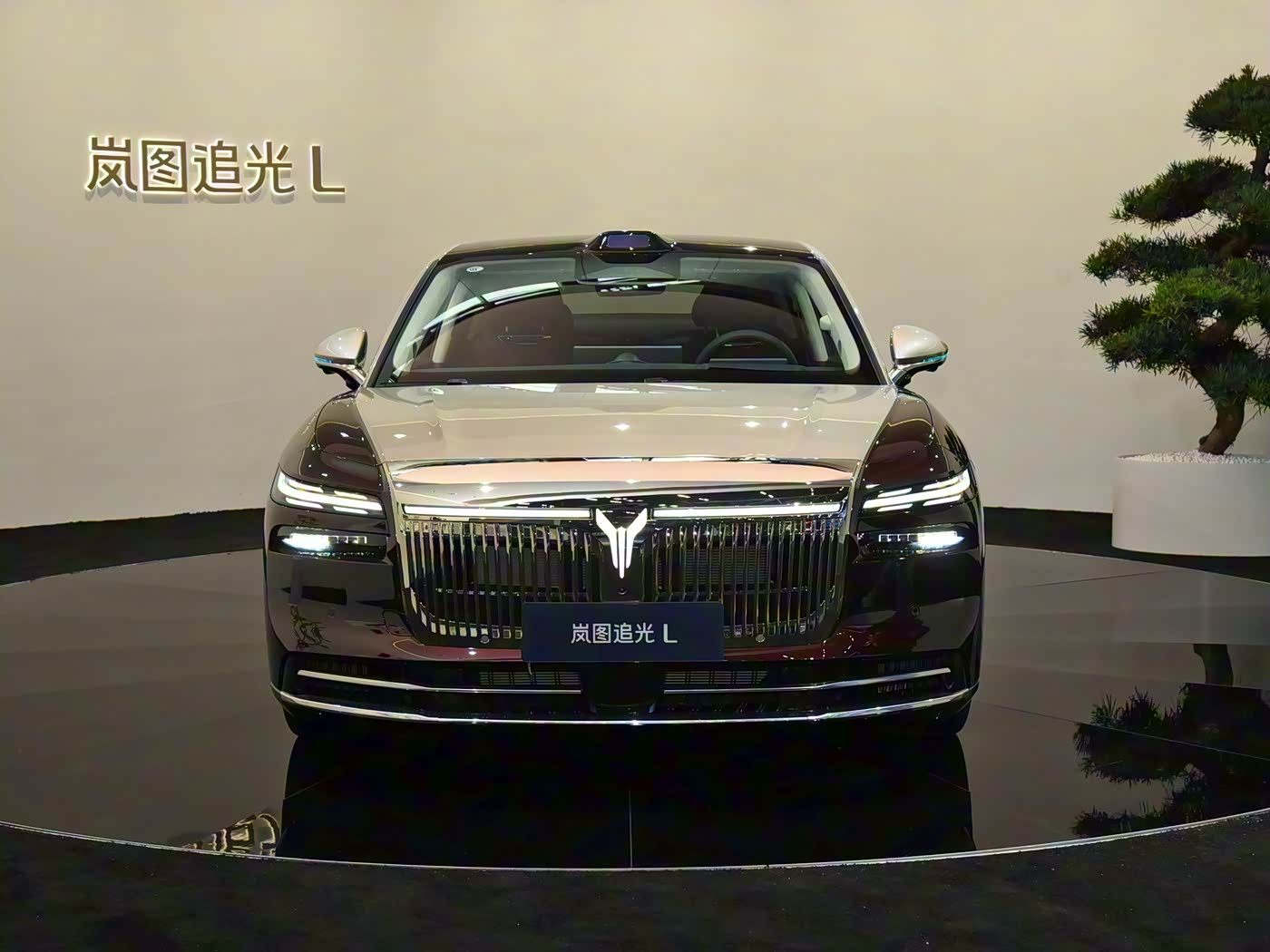
In my opinion, the Voyah Chasing Light L is redefining a high-end hybrid sedan. It's not about
barely passing in every aspect, but about delivering convincing performances in areas
that were previously difficult to balance: electric driving experience, anxiety-free range,
driving pleasure, and fuel economy.
This undoubtedly provides a new option worth careful consideration for consumers who
appreciate the feel of electric vehicles but have reservations about the range and charging
network of pure electric vehicles.
How Huawei Qiankun ADS4 Interprets "Reliable Intelligence"
Frankly speaking, consumers have mixed feelings about intelligent driving.
On the one hand, everyone yearns for a relaxed and effortless technological experience;
on the other hand, many systems on the market are more like "exam takers," feeling awkward
or even stressful once they return to the complex urban scenarios they face daily. This
disconnect makes intelligent driving often feel like a toy, rather than something truly reliable.
For the Voyah Chasing Light L, the core task of its Huawei Qiankun ADS4 system is precisely
to bridge this gap. This system is the key competitive advantage that determines whether
Voyah's Chasing Light L can gain a foothold in the high-end market and win over customers
from traditional luxury cars.
The most direct benefit this system provides to the Chasing Light L is a sense of ease.
Traditional driver assistance systems often perform well on highways, but their practicality
diminishes sharply after exiting toll booths. ADS4, through its full-scenario P2P
(parking space to parking space) capability, achieves a complete chain covering urban roads,
ring roads, highways, and even the final parking space.
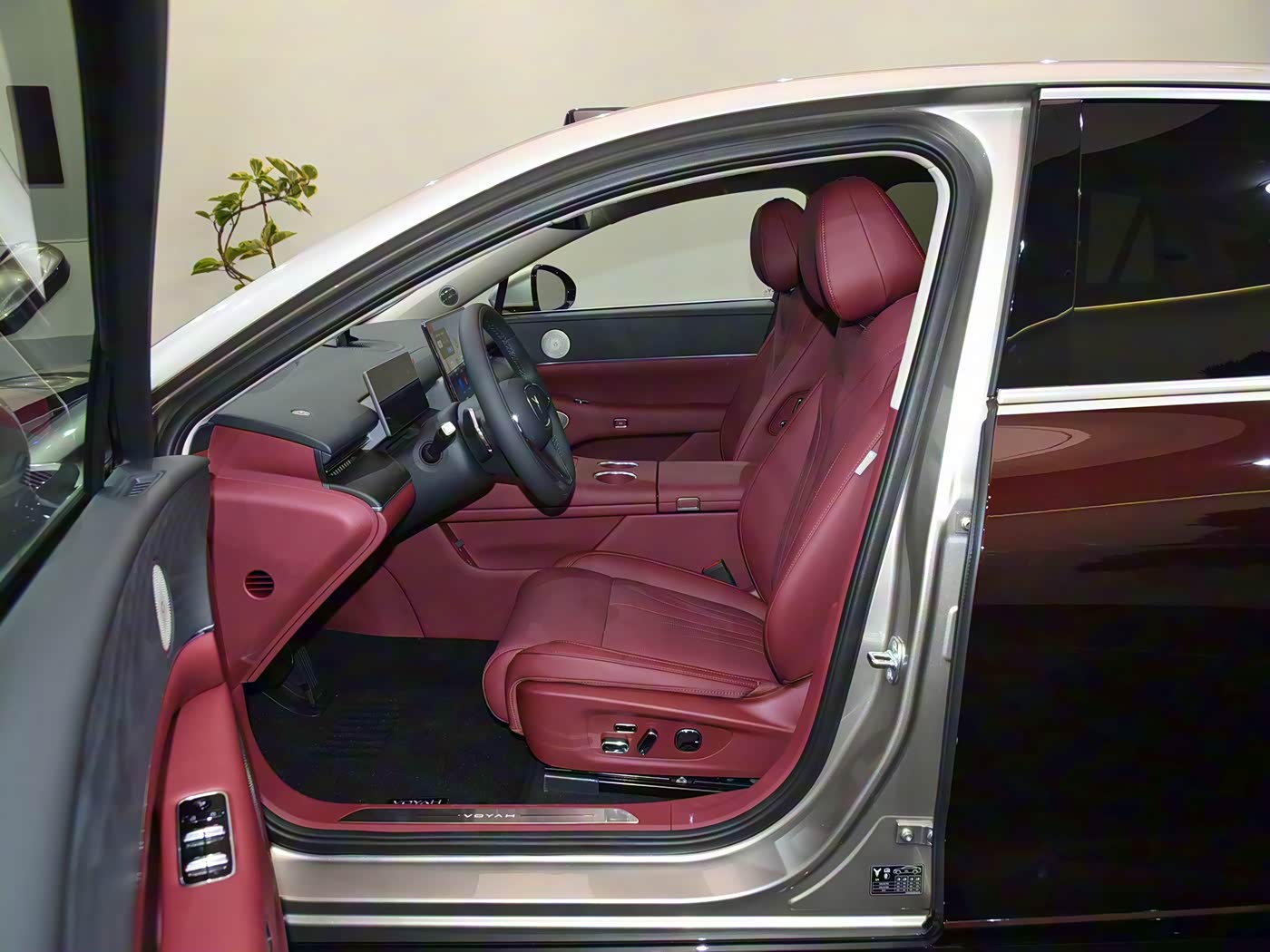
This means that when a driver faces congested commutes and frequent lane changes on narrow roads,
the system can provide substantial assistance, rather than just being a function used only occasionally.
This shift makes the intelligent experience of the Chaser L more consistent, directly enhancing its value
in high-frequency daily use.
Furthermore, ADS4, through its "world model + generative AI" training method, aims to improve the
system's human-like decision-making capabilities and reliability in extreme scenarios. For potential
buyers of the Chaser L—those who might compare it to BBA (BMW, Mercedes-Benz, Audi)
models—they may not delve into the technical details, but they are extremely concerned about
whether the vehicle is intelligent and reliable. The addition of ADS4 transforms the Chaser L's
intelligent driving into an advantage that translates into actual driving confidence.
At the hardware level, a multi-sensor system, including a 192-line LiDAR and a 4D millimeter-wave radar,
provides the Chaser L with all-weather perception redundancy. This results in stable reliability.
Whether at night, in rain or fog, or facing static obstacles, multi-sensor fusion ensures that the system
can always clearly see the road ahead. This is a strong attraction for high-end users who value security
and want to be reliable under any circumstances.
Finally, Voyah has deeply integrated this cutting-edge intelligent driving system with its safety heritage
inherited from traditional major manufacturers, such as its ultra-high-strength body structure and
stringent battery safety standards. This gives the Voyah Chasing Light L both future-oriented,
proactive safety features and time-tested, robust passive safety features.
This combination of active and passive safety provides a compelling reason for consumers transitioning
from traditional luxury gasoline vehicles to intelligent electric vehicles. This may be the source of the
Chasing Light L's confidence in challenging and even surpassing traditional luxury sedans in the same
price range.
The significance of the Voyah Chasing Light L lies not only in the product itself but also in its contribution
to the entire industry's thinking. In the era of intelligent electric vehicles, the definition of luxury is inevitably
shifting to players who master core electric drive technologies and can achieve top-tier, comprehensive
intelligent implementation capabilities.
For mature consumers who are moving away from brand worship and focusing more on the intrinsic value
of products, it's time to re-examine creations like the Chasing Light L with fresh perspectives.
Popular Products
Recent News
Copy© 2000-2024 Hebei Opportunity Trading Co., Ltd All rights reserved 
Quickly Inquiry
*Is it a dealer:
yes
no


