Welcome to Hebei Opportunity Co., Ltd
How BYD Han is rewriting the rules of the mid-to-high-end car industry
In the history of China's automotive industry, the BYD Han stands out as a unique
entity.
When this model was born, the rules of the mid-to-high-end sedan market were
primarily defined by German and Japanese brands, with "brand premium,"
"powertrain," and "driving quality" being the core factors. Domestic brands could
only effectively penetrate the 150,000 yuan price range, while the 200,000 yuan
range belonged to joint venture models like the Passat, Camry, and Accord.
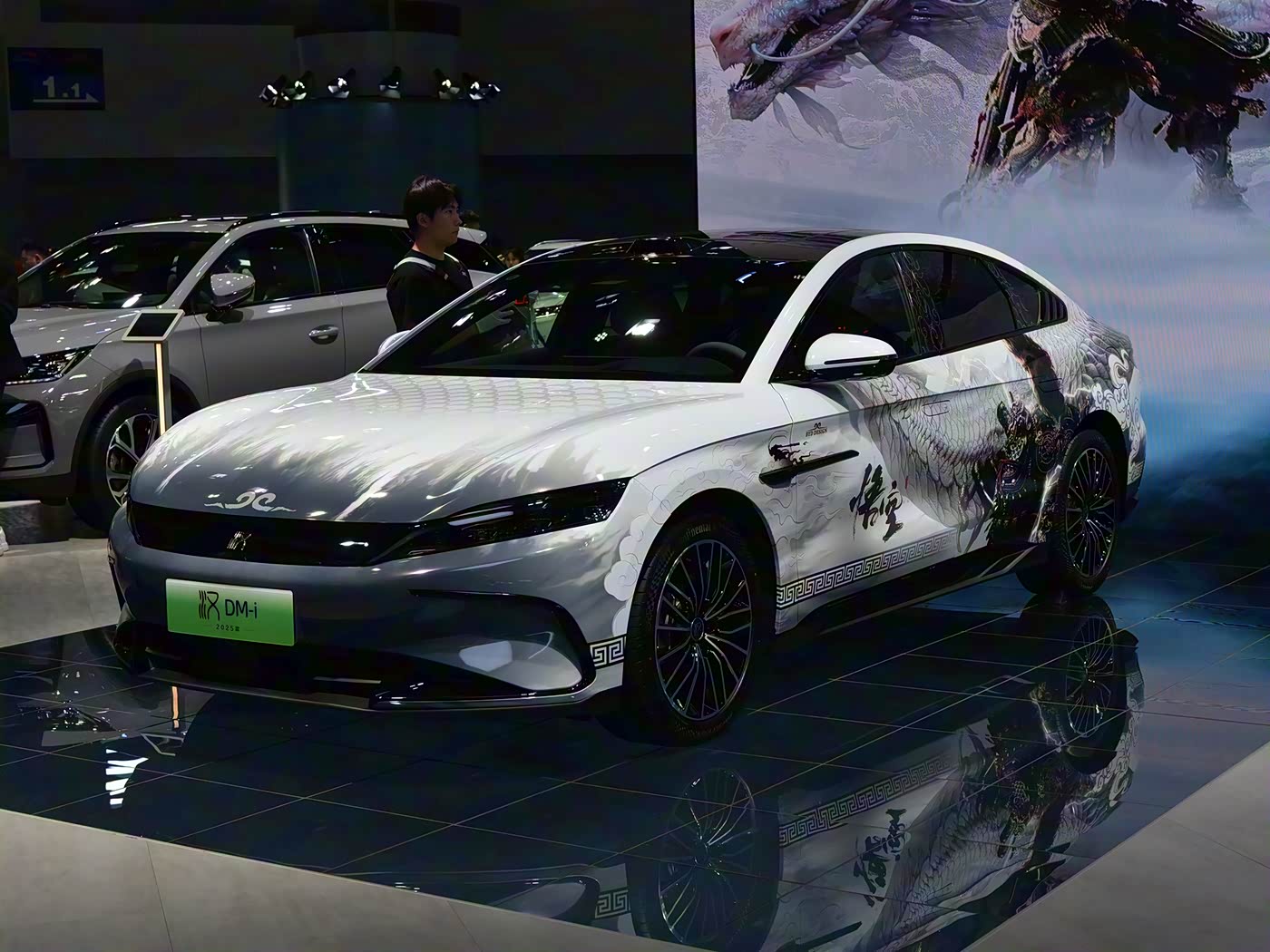
Back then, consumers looking to buy a sedan invariably opted for joint ventures,
highlighting a significant weakness for domestic brands in this segment. However,
it was precisely in this context that the BYD Han emerged.
Within just a few years, this car not only achieved sales exceeding one million units
but also profoundly reshaped the competitive landscape of mid-to-high-end
sedans in three dimensions: technological approach, user perception, and market
structure.The Han family's cumulative sales surpassing one million units marks a
milestone, representing the first time a Chinese brand has consistently led the
B+C segment sedan market. Furthermore, the Han EV intelligent driving version's
long-range version achieves an energy consumption of 10.6 kWh/100km, a figure
that has garnered industry attention.
When we review the success of the BYD Han, we find that this model never relied
simply on "piling on features" or "price reductions," but rather on a deep reflection
on technology and user needs that led to its success.
Low power consumption is key; how does BYD Han achieve effective energy
efficiency management?
When discussing the BYD Han, its energy efficiency management technology must
be mentioned.
According to the latest data from BYD Han, its energy consumption has reached
10.6 kWh/100 km. This energy consumption level is traditionally considered within
the category of micro electric vehicles. When it appears in a mid-to-large-sized
luxury sedan with a length of nearly 5 meters, its significance transcends energy
saving itself, marking a shift in electric vehicle competition from "range" to
"energy efficiency."
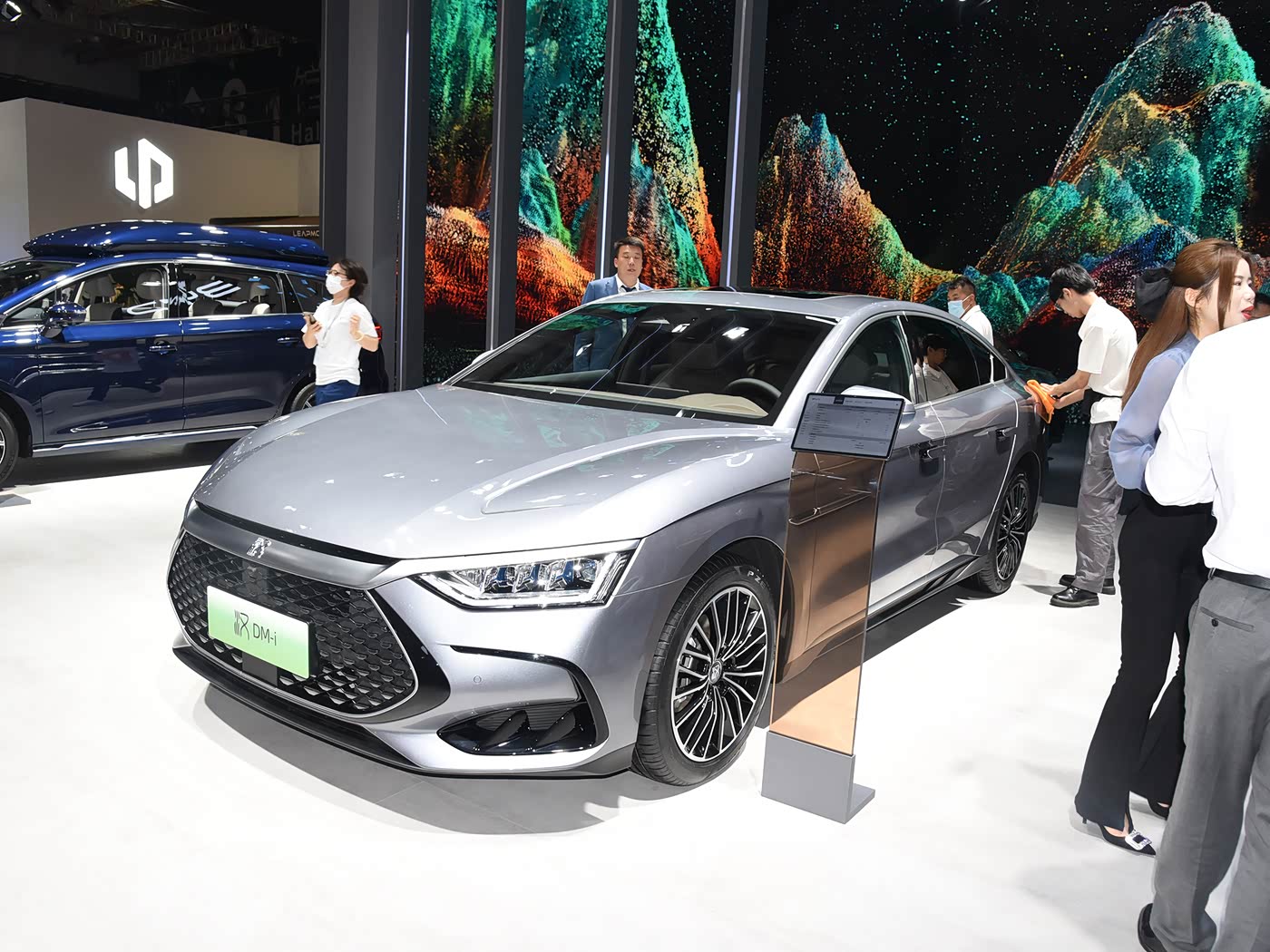
Some might ask, what's the use of low energy consumption if you're driving an
electric car? In daily use, it means real savings and convenience.
Low energy consumption directly reduces charging costs at high-speed
fast-charging stations. Let's do the math—if a vehicle's energy consumption is
20 kWh/100km, and the cost per kilometer after charging at a fast-charging station
is 0.4 yuan, then a consumption of 10.6 kWh/100km is equivalent to saving half the
travel cost.
Low energy consumption also means that, for the same driving range, the vehicle
doesn't need an excessively large battery pack. This not only reduces vehicle weight
and optimizes handling performance but also significantly lowers the initial purchase
cost for users. It is through this pursuit of energy efficiency that BYD Han has achieved
the technological breakthrough of "smaller battery, longer range," allowing users to
enjoy a higher-quality high-end electric travel experience at a lower overall cost.
In my opinion, many new energy vehicle companies in the industry are pursuing large
batteries, but what technological content do large batteries have? The answer is no.
Achieving low power consumption is a more sophisticated approach than simply piling
on batteries. The low power consumption of the BYD Han is a result of the technological
advantages brought about by BYD's vertical integration across the entire industry chain.
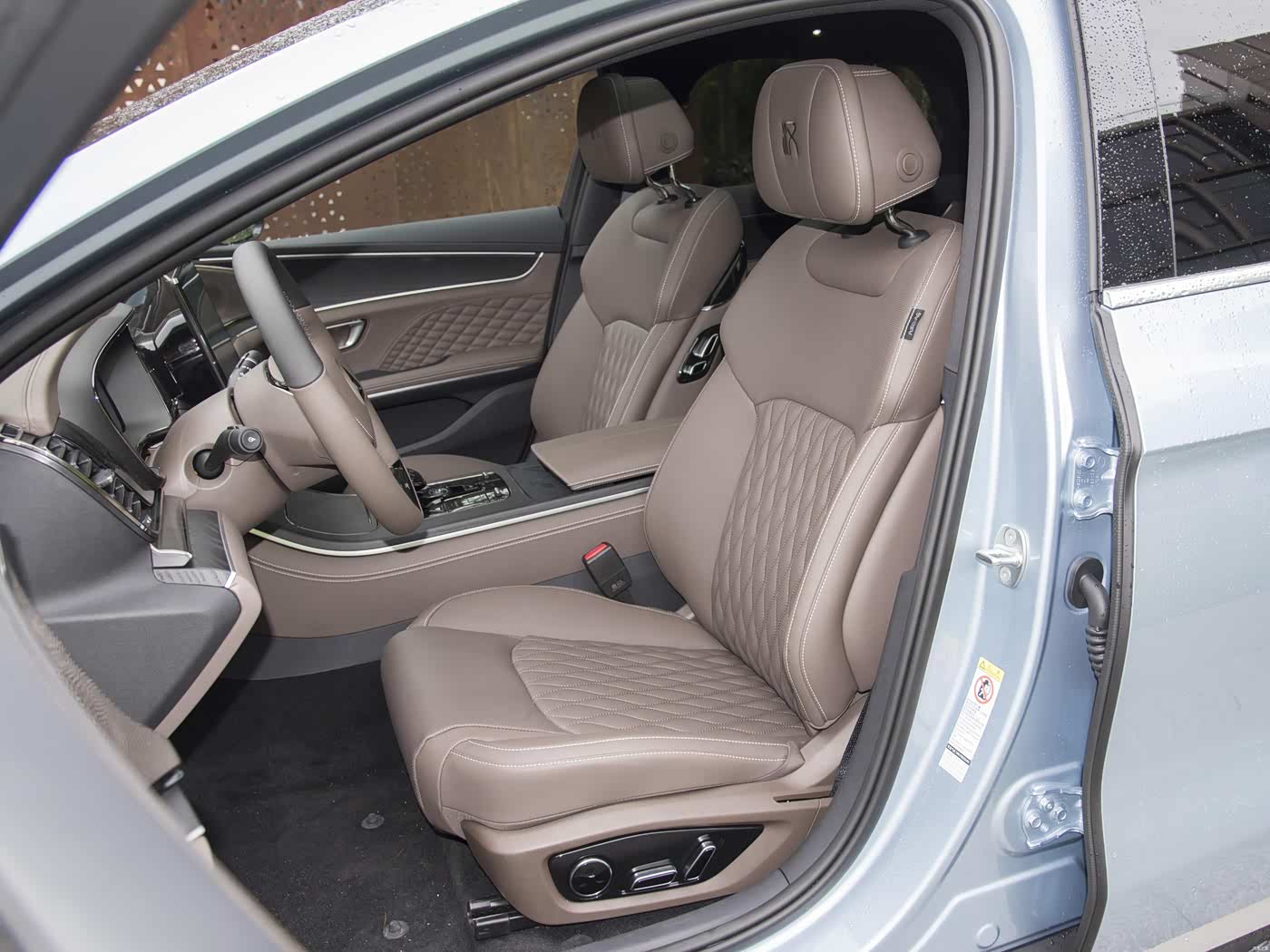
First, the Han EV's eight-in-one intelligent electric drive system achieves a 92% CLTC
(Combined Cooling, Tolerance, and Control) overall efficiency. Combined with the
world's first intelligent wide-temperature-range high-efficiency heat pump technology
cluster, it demonstrates mastery over the energy flow process.
From a technical perspective, this energy efficiency breakthrough also benefits from
the synergistic effect of multiple innovative technologies. The eight-in-one electric
drive system reduces cable length and the number of connectors through high
integration, lowering transmission losses; the intelligent wide-temperature-range
heat pump system overcomes the limitations of traditional thermal management
technologies, maintaining high efficiency in environments ranging from -30℃ to 60℃.
More importantly, BYD has introduced AI technology into energy consumption
management, using deep learning of user driving habits and road conditions to
dynamically optimize energy allocation. This breakthrough of "hardware integration
+ software intelligence" has built a technological barrier that is difficult to replicate.
The BYD Han is reshaping the industry value chain.
Traditional luxury cars generally rely on powertrains to build technological barriers,
but the Han EV, through the high integration of its electric drive system and innovative
thermal management, proves that technological barriers in the electric era will be built
on system energy efficiency. When a mid-to-large-sized sedan consumes less energy
than most compact electric vehicles, the battle for product definition is essentially over.
This throws the difficult question to the competitors, forcing automakers to reassess
their technological paths—should they continue to increase battery capacity, or focus
on system-level energy efficiency optimization? Should they learn from BYD?
How did BYD Han achieve a reconstruction of user value with millions of units sold?
We must acknowledge that technological advantages only have industrial significance
when translated into market recognition. The Han family's sales exceeding one million
units are another crucial piece of evidence of its success in rewriting industry rules.
Behind this figure lies BYD's profound understanding of the value to mid-to-high-end
market users.
In the past, traditional luxury brands relied on historical accumulation and brand halo to
build barriers, but their high premiums were often disconnected from core product
strength, appearing to be merely "spending a lot of money on a car badge."
The Han family, however, has established a kind of "technological luxury": from the standard
"blade battery" across the entire range to the "Cloud Carriage-C Intelligent Body Control
System," and the "Parking Loss Coverage" of the "Eye of the Gods" advanced intelligent
driving system, these technologies, once only found in million-dollar luxury cars, are brought
to mainstream consumers by BYD at highly competitive prices.
This strategy fundamentally shakes the traditional luxury car's high-premium system
maintained by "storytelling."
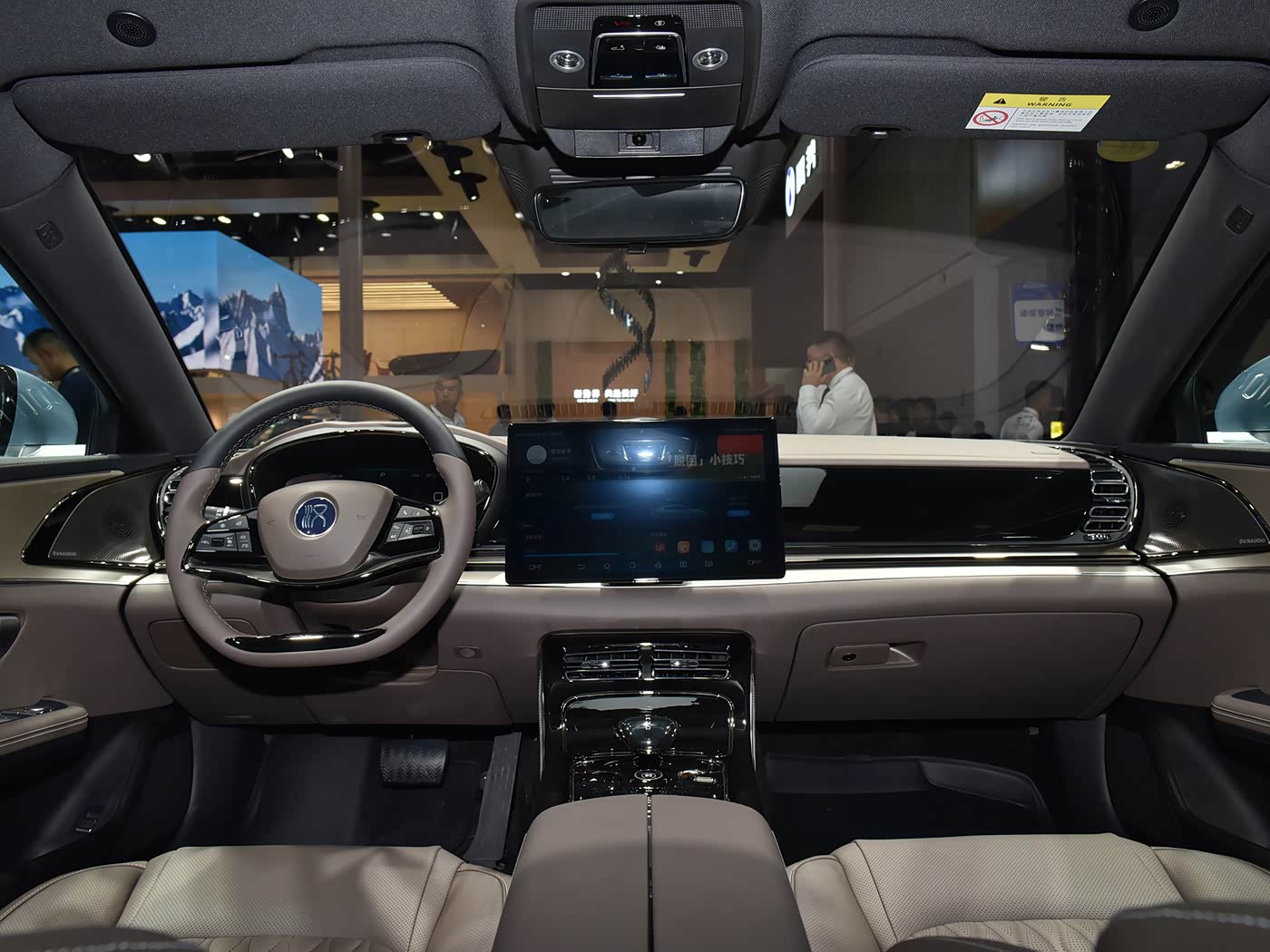
After experiencing the BYD Han, users can see that they don't need to waste money on
empty brand stories, but can instead obtain tangible leading technology. The Han's
million-unit sales are a vote of confidence from consumers with their hard-earned money.
This reflects a fundamental change: the new generation of consumers is more rational
and focuses on the actual practical value of products, rather than just "a car logo."
This shift in consumer attitudes opens up a path for technology-driven brands and serves
as a wake-up call for traditional luxury brands.
At a deeper level, the success of the Han family also lies in its accurate grasp of the new
trend of consumption upgrading.
Contrary to traditional perceptions, today's consumption upgrading is not simply about
pursuing higher prices, but about pursuing "better value for money"—obtaining a product
experience that exceeds expectations within a reasonable price range. The Han series,
by lowering its starting price to 159,800 yuan while offering superior technological
configurations and a luxurious experience, perfectly meets this demand.
This product positioning strategy breaks the traditional thinking that "mid-to-high-end
equals high price" and redefines the rules of competition in the segmented market.
Three rules: BYD Han reshapes the mid-to-high-end automotive industry
The BYD Han's achievement of selling one million units has fundamentally shaken the
old rules of the mid-to-high-end automotive industry, signifying that Chinese brands
have transformed themselves into "rule-makers."
In my opinion, the BYD Han has set three rules for the future of the mid-to-high-end
automotive industry.
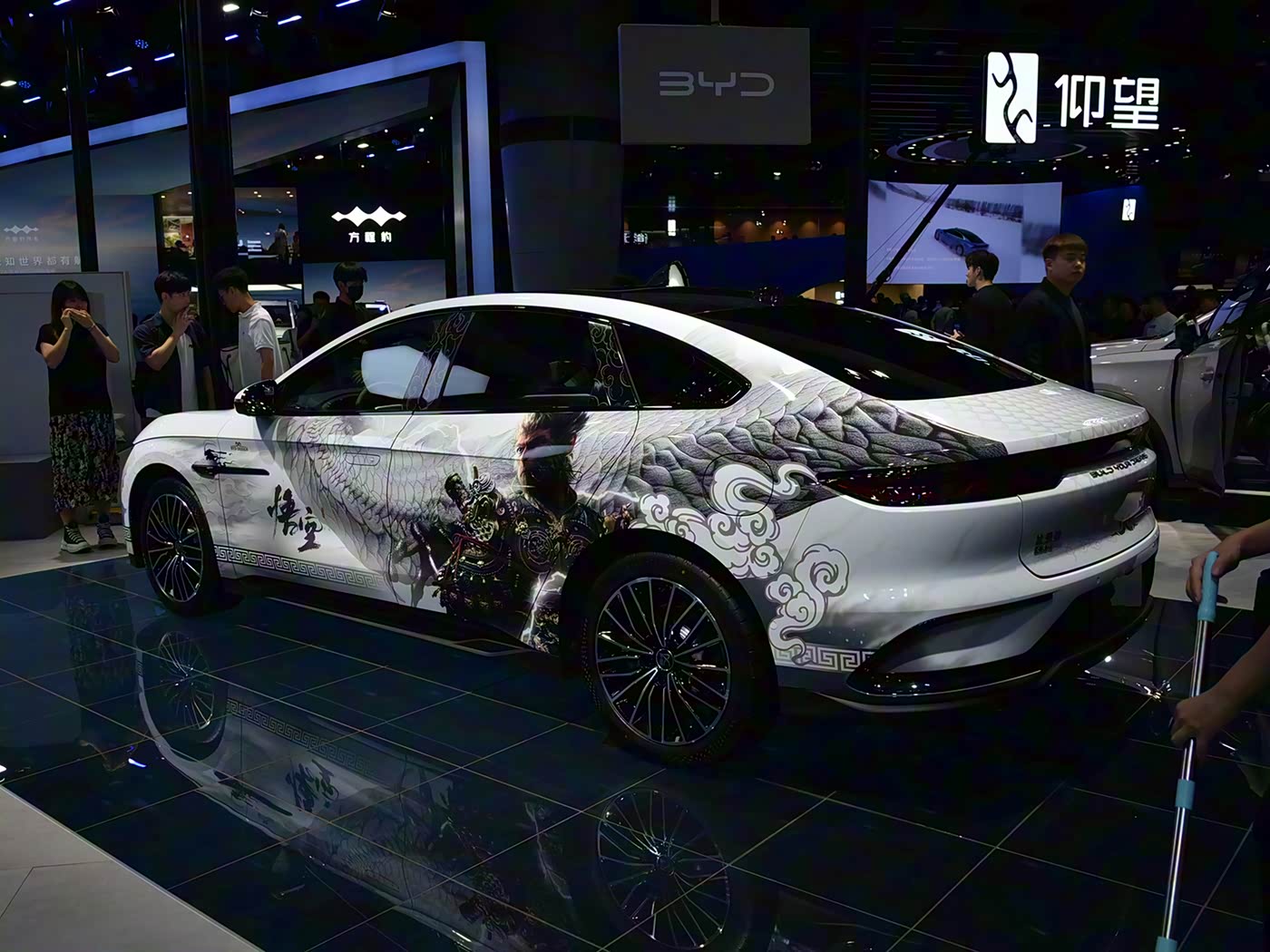
The first rule represents a shift in the core of competition, moving from "power" to "efficiency."
In the era of gasoline-powered vehicles, engine horsepower, torque, and 0-100 km/h acceleration
time were the core performance indicators. BYD's Han EV, with its 10.6 kWh energy consumption
and the Han DM-i's 3.44L/100km fuel consumption after battery depletion, has shifted the focus of
competition to energy efficiency.
This means that a car company's overall strength is no longer solely determined by its ability to
produce high-horsepower engines, but rather by its comprehensive technological foundation in
areas such as electric drive system integration, battery management, and thermal management.
The second rule is a reinterpretation of the question "What constitutes high value?", shifting the
definition of value from "brand premium" to "technology premium."
The pricing strategy of the Han family has shaken the old paradigm of "brand-driven value" in the
mid-to-high-end market. It proves that when a product offers a sufficiently impressive and practical
technological experience, consumers are willing to pay a higher price for a Chinese brand, but this
price is still significantly lower than that of traditional luxury brands in the same segment.
This "technology premium" must be healthy and sustainable because it's built on genuine product
innovation. This forces all participants to rethink the value of their products, either accelerating
technological transformation or facing market share loss.
The third rule is a change in product iteration methods, shifting vehicles from "mechanical upgrades"
to "hardware-software synergy upgrades."
For example, the DiLink 100 intelligent cockpit in the Han Long Range version, with its integration with
DeepSeek's large-scale model, and future OTA updates to further optimize the Han DM-i's fuel
consumption when the battery is depleted, all demonstrate that the BYD Han's product strength can
continuously grow.
In the past, consumers couldn't access such an experience; cars were merely one-off transactions.
But the BYD Han transforms the car into a terminal with an experience that can be continuously
optimized through software updates.
The author believes that this continuous evolutionary capability of "hardware-software synergy"
greatly extends the product's lifecycle, builds entirely new user relationships, transforming "car owners"
into "users," thereby creating new growth points in the existing market.
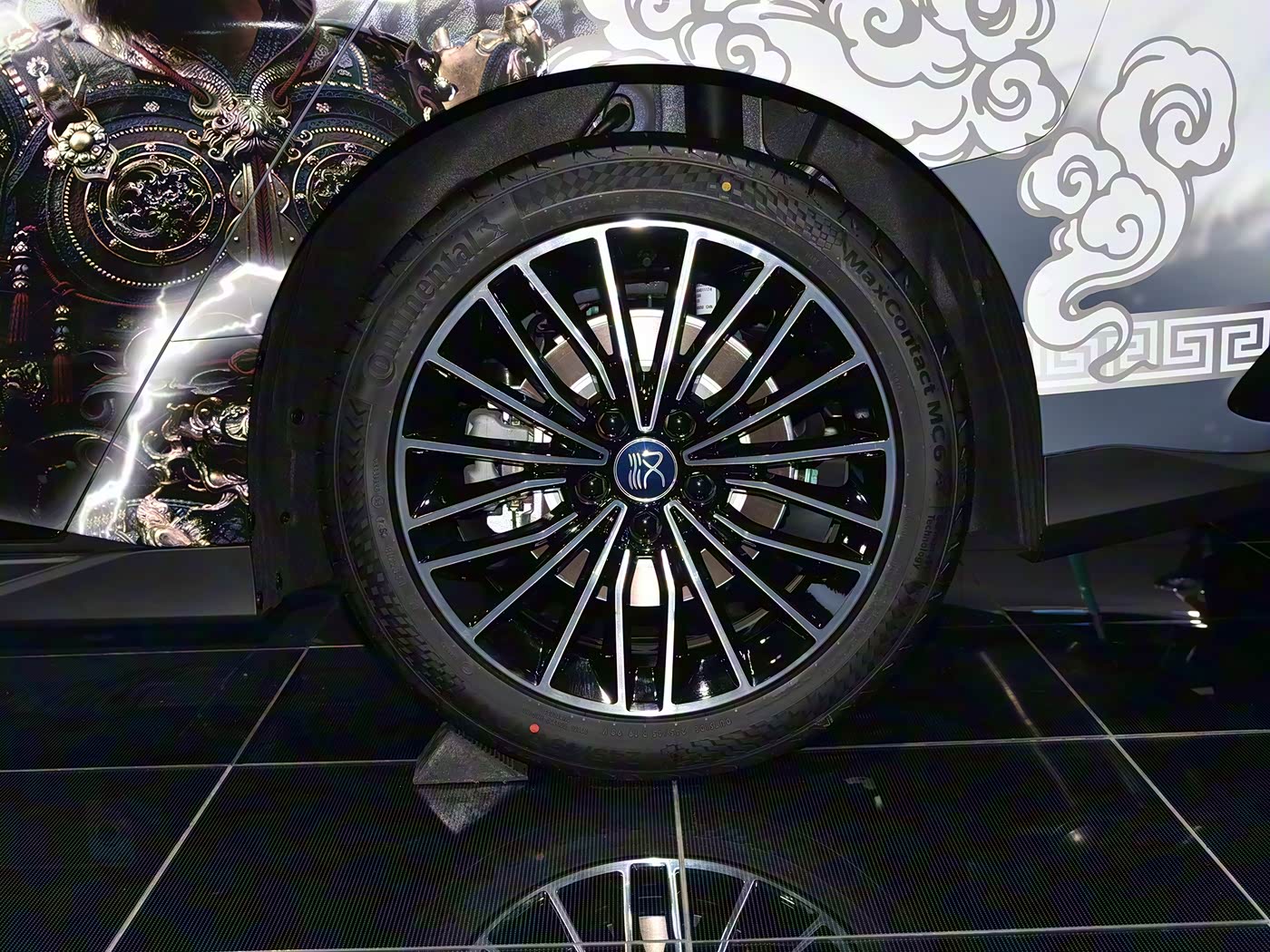
The three rules set by BYD Han have far-reaching implications. They signify a significant increase in
the competitive threshold of the automotive industry, requiring new entrants not only to possess
complete vehicle manufacturing capabilities but also comprehensive technological strengths in
software algorithms, chip design, and cloud services.
Within the industrial chain, the core value chain is also shifting. The value share of traditional
mechanical components such as engines and transmissions is declining, while the value share of
electric drive systems, power semiconductors, smart cockpits, and autonomous driving is rapidly increasing.
This change has created a historic opportunity for Chinese companies like BYD, which have deep
expertise in core electric drive systems and intelligent technologies.
The story of Han will continue, and the landscape of the mid-to-high-end automotive market will
continue to evolve. In this new era, the rules of industrial competition have been completely rewritten.
Only companies that grasp the essence and continuously innovate will win in this unprecedented transformation.
Popular Products
Recent News
Copy© 2000-2024 Hebei Opportunity Trading Co., Ltd All rights reserved 
Quickly Inquiry
*Is it a dealer:
yes
no


