Welcome to Hebei Opportunity Co., Ltd
Breaking the Mold with Intelligent Fuel: Teana's HarmonyOS Cockpit Ushers in a New Era of Intelligent Transformation for Gasoline Vehicles
On October 31st, the world's first gasoline-powered vehicle with a HarmonyOS cockpit
was born.
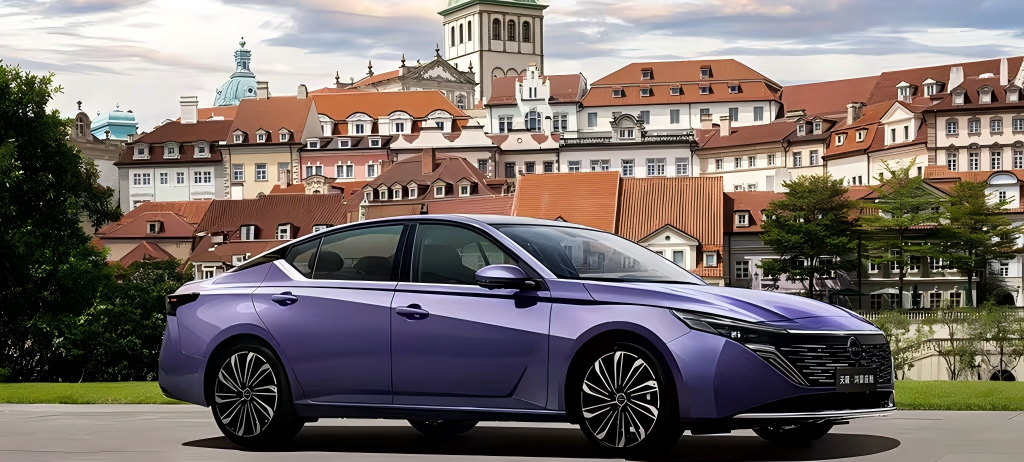
This car is the well-known "Teana," the once-famous Nissan "sofa-like" ride, now
transformed into a more intelligent vehicle. This may seem like a routine produce
upgrade,but its groundbreaking significance is extraordinary—it represents a
milestone breakthrough in the intelligentization of gasoline-powered vehicles.
For a long time, many in the industry have viewed gasoline-powered vehicles with
prejudice, assuming that "intelligent technology equals new energy." This undesirable
bias has confined gasoline-powered vehicles to a value vacuum, as if intelligent
experiences were exclusive to electric vehicles.
However, the Teana's HarmonyOS cockpit, based on a centralized architecture, embeds
an intelligent ecosystem into the gasoline-powered vehicle, reconstructing the product
value of the Teana and marking the transformation of gasoline-powered vehicles from
"functional transportation" to "intelligent partners."
This collaboration proves that gasoline-powered vehicles can also carry cutting-edge
technology and keep pace with new energy vehicles in the intelligent technology race.
HarmonyOS Cockpit + Spacious Sofa: Teana Defines a New Benchmark for Intelligent
Fuel-Powered Cars
In the wave of intelligentization in the automotive industry, gasoline-powered cars
are often criticized for being "lagging behind in intelligence" and even seen as
products "about to be replaced." Is this really the case? In my opinion, it's too
early to discuss whether gasoline-powered cars will be replaced.
On the one hand, the market base is large; on the other hand, the shortcomings of
gasoline-powered vehicles in terms of intelligent technology are being rapidly
addressed.
Previously, the intelligent driving capabilities of gasoline-powered vehicles lagged
behind those of electric vehicles. The main reason lay in their electronic and
electrical architecture. Early gasoline-powered vehicles used distributed control,
with each module operating independently, resulting in low coordination
efficiency. However, technology never stagnates. Today, many gasoline-powered
vehicles are equipped with L2+ level intelligent driving systems, capable of not
only automatic following and lane keeping, but even proactive lane changing
and overtaking on highways, performing no less impressively than emerging
electric vehicle models.
The Teana's HarmonyOS Cockpit, featuring the HarmonyOS Cockpit 5 system for the
first time, brings the level of intelligence in gasoline-powered vehicles to a whole
new level, demonstrating breakthroughs in the field of intelligence from multiple
dimensions.
First, there's the seamless connectivity feature, making device interconnection seamless and natural.
Users can automatically connect to their phones, tablets, and other devices as soon as they get in the car.
The voice interaction system boasts a success rate exceeding 99%, supports multi-command recognition,
and completely solves the pain point of traditional gasoline-powered vehicles' voice control being "useless."
Meanwhile, the AI-level voice assistant truly integrates intelligent experiences into daily travel.
Behind these features is the support of a centralized architecture, allowing gasoline-powered vehicles
to possess the same intelligent "brain" as electric vehicles. At the same time, the Teana's inherent advantages
lay a solid foundation for this intelligent experience.
Nissan's exclusive Spinal ergonomic seats, designed based on the curves of the Asian human body,
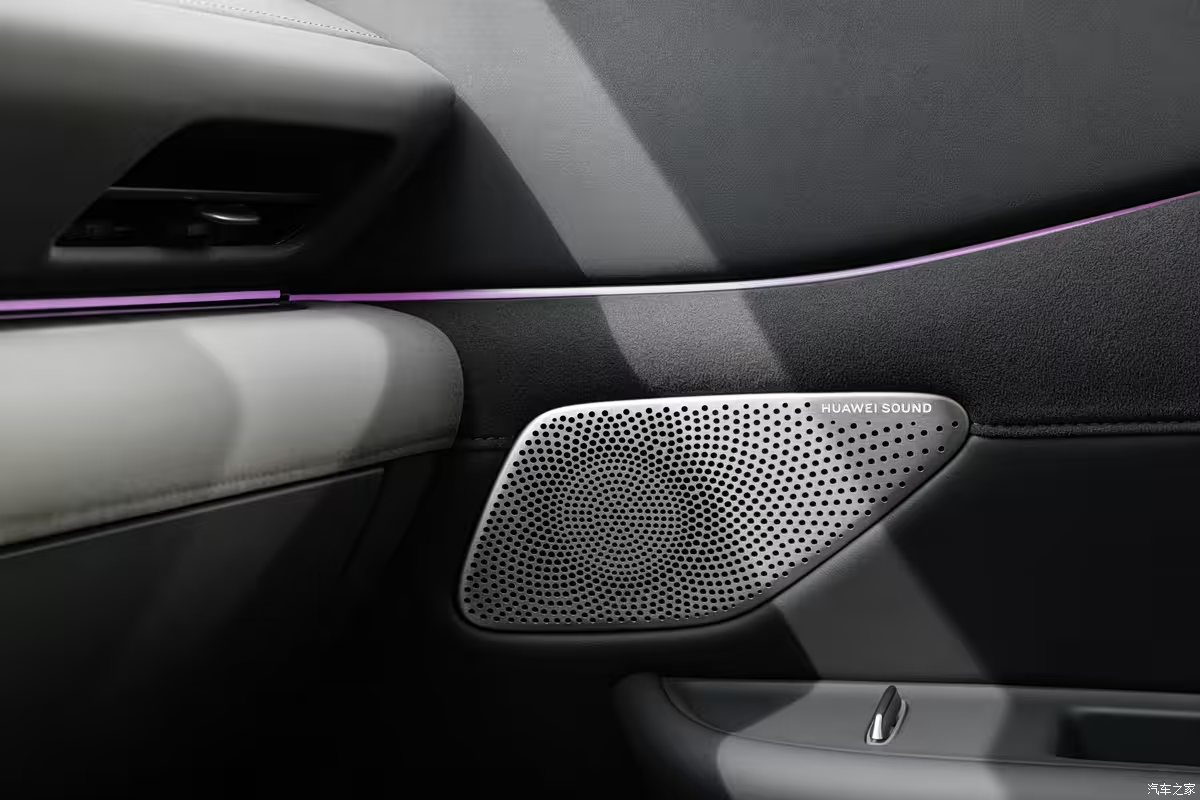
optimize pressure distribution and provide smooth support from the waist to the shoulders. The theater-level
quiet cabin, combined with the HUAWEI SOUND 17-speaker sound system, creates a dual experience of
"intelligence + comfort."
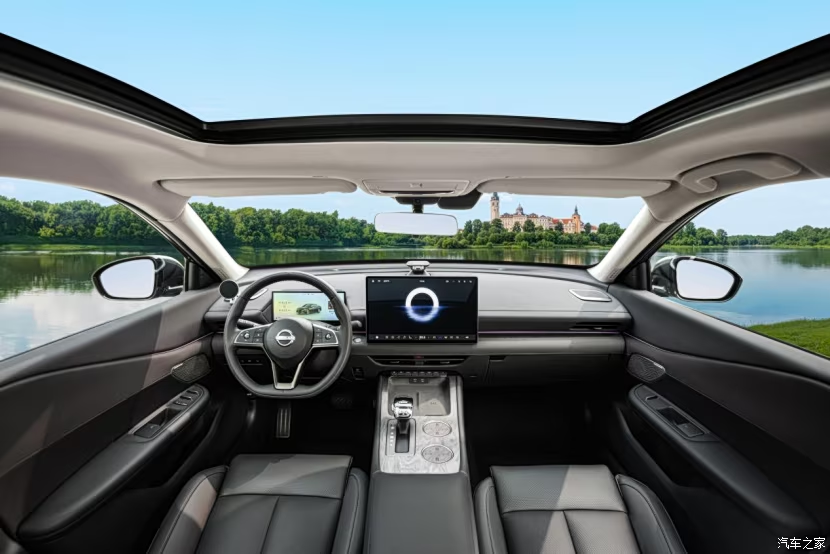
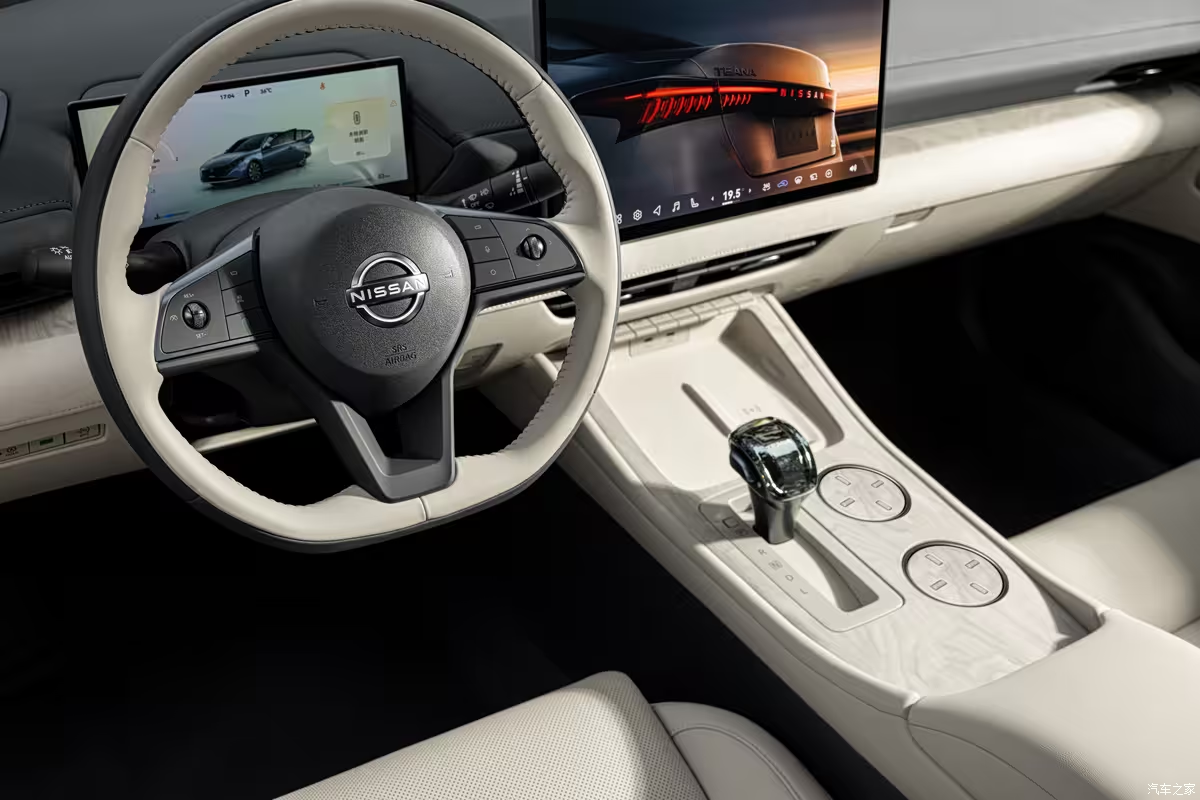
In terms of hardware configuration, the 15.6-inch central control smart screen offers
a smooth touch experience, while the 10.25-inch instrument panel ensures instant
information synchronization. Designs such as the retractable star ring diffuser further
enhance the cabin's technological appeal.
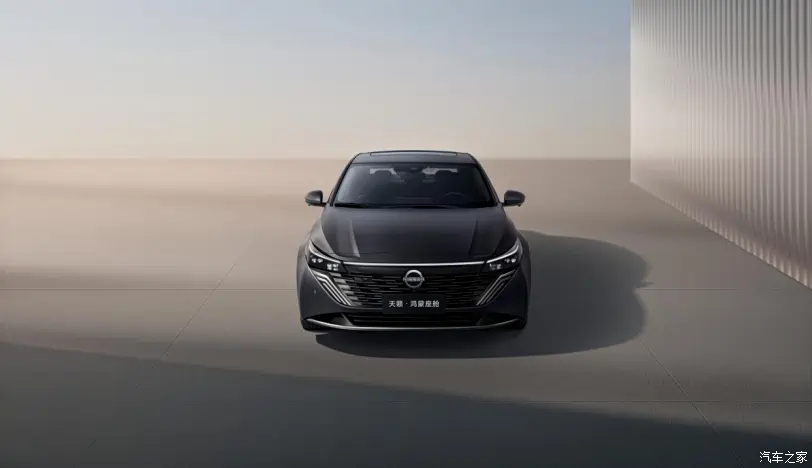
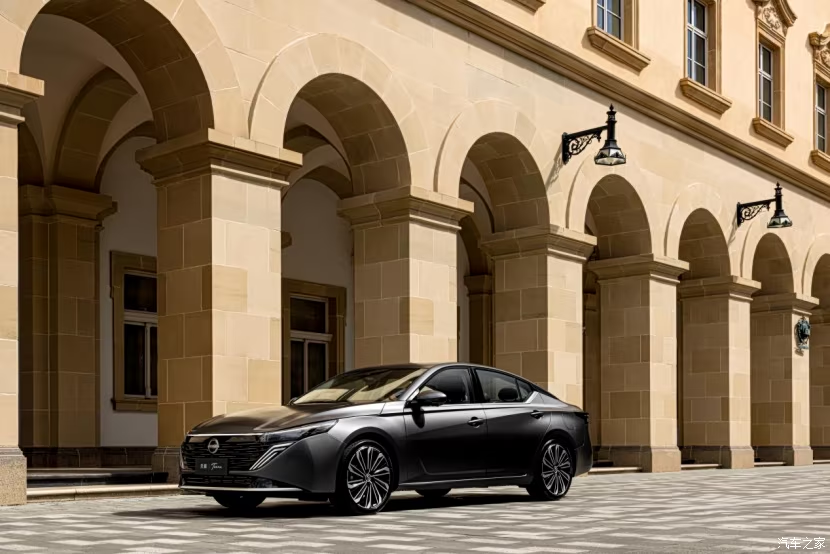
From a design perspective, the Teana HarmonyOS cabin maintains Dongfeng Nissan's
consistent design aesthetic.
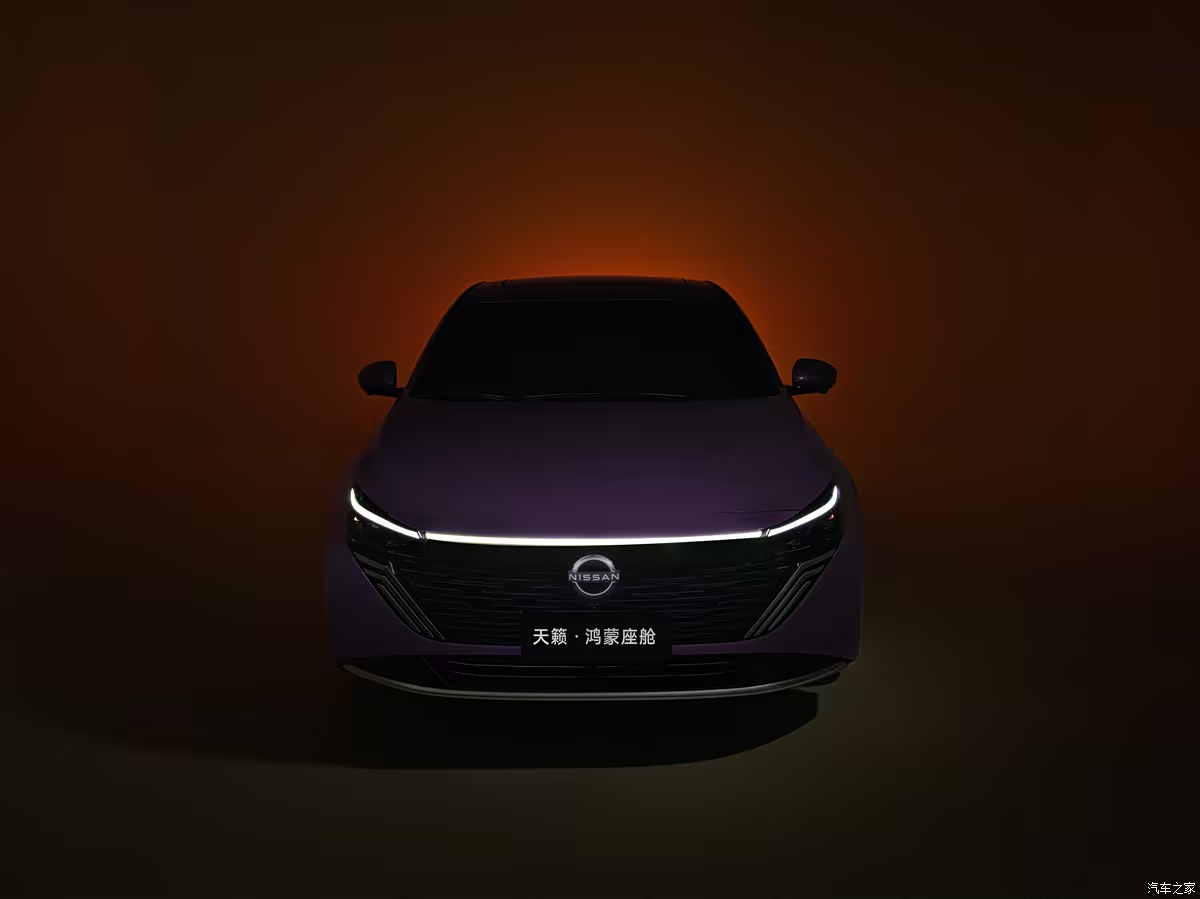
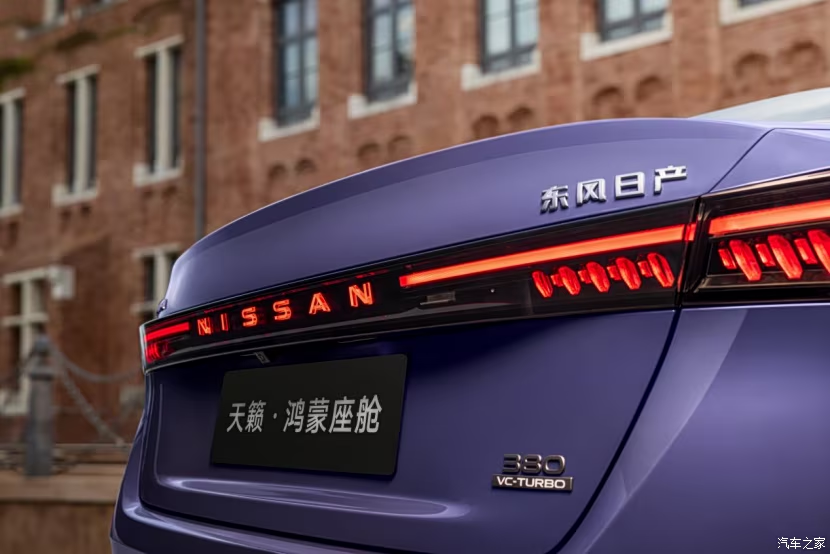
The front adopts the "V-Motion Boundless Wing" design, featuring a continuous star
ring light strip. The integrated rear design simplifies lines, and the hidden exhaust layout
adds a touch of technology. Inside, low-saturation, pure color schemes create a soothing
and immersive atmosphere. Details such as 90% soft-touch surface coverage and a
formaldehyde-free healthy cabin further enhance comfort.
Before seeing this car, I was skeptical about whether a gasoline-powered vehicle
could integrate well with smart technology, fearing that the HarmonyOS cockpit
would appear out of place. However, after seeing the car, I believe that the Teana
HarmonyOS cockpit isn't simply about adding a screen; rather, through systematic
integration, it allows a gasoline-powered vehicle to rival, and even surpass, some
new energy vehicles in terms of intelligent experience for the first time.
Therefore, the emergence of this car fully proves that intelligent features in
gasoline-powered vehicles are not unattainable. As long as user needs are
at the core, gasoline-powered vehicles can be just as intelligent.
Dongfeng Nissan and Huawei: How to Achieve 1+1>2
Judging from the implementation of the Teana HarmonyOS cockpit, the powerful
alliance between Dongfeng Nissan and Huawei has clearly achieved a synergistic
effect of 1+1>2.
For Huawei, this cooperation is a milestone.
Before this car, Huawei's HarmonyOS cockpit was mainly used in the electric vehicle field.
However, its implementation in the gasoline-powered vehicle market through the global
Teana model fully verifies the adaptability of its intelligent technology across powertrain types.
Industry insiders understand that the technological migration from electric vehicles to
gasoline vehicles is not a simple replication, but requires optimization of the gasoline
vehicle architecture, especially in terms of powertrain, spatial layout, and user habits.
Through the Teana project, Huawei has accumulated massive amounts of user data,
providing valuable resources for the improvement of its automotive ecosystem.
More importantly, as a global model, the export of the Teana HarmonyOS cockpit would
further lay the foundation for the global expansion of Huawei's intelligent cockpit ecosystem.
Export data shows that from January to September, China exported 4.95 million vehicles,
a year-on-year increase of 14.8%. Among them, new energy vehicles accounted for 1.758
million units, while gasoline vehicles accounted for 3.19 million units, still representing
the majority. If the Teana HarmonyOS cockpit can go global, it will further elevate Chinese
intelligent manufacturing to the world stage.
In the current fiercely competitive intelligent vehicle market, Huawei is also expected to leverage
the large market base of gasoline vehicles to further consolidate its leading position in the field of
in-vehicle systems.
For Dongfeng Nissan, this collaboration is a key step in realizing its "intelligent integration of
gasoline and electric vehicles" strategy.
With the launch of the Teana HarmonyOS cockpit, Dongfeng Nissan has become one of the few
brands in the industry to achieve "intelligence sharing between gasoline and new energy vehicles,"
injecting new momentum into its gasoline vehicle base and opening up a differentiated market segment.
In past market competition, gasoline vehicles were at a disadvantage, often falling into price wars
due to insufficient intelligence. The Teana HarmonyOS cockpit, by empowering intelligent value,
enhances product premium and translates into tangible market competitiveness. Furthermore,
this collaboration strengthens Dongfeng Nissan's brand momentum, transforming it from a traditional
automaker to a technology-driven enterprise.
From an industry perspective, this collaborative model has a demonstrative effect.
The deep integration of traditional automakers and technology giants is no longer about piecemeal
functional upgrades, but rather about ecosystem empowerment. Dongfeng Nissan leverages its
manufacturing expertise and scale advantages, while Huawei combines its technological ecosystem
and innovation speed; the two companies complement each other's strengths to jointly promote the
democratization of intelligent technology.
Looking at the industry as a whole, I believe this model provides a replicable path for other
gasoline-powered vehicle manufacturers. Starting with the Teana with its HarmonyOS cockpit,
more automakers will realize that beyond electrification, intelligent technology is also key to the
revitalization of gasoline-powered vehicles.
Witnessing the Era of Intelligent Gasoline Vehicles 2.0
The launch of the Teana with its HarmonyOS cockpit is far more than just an advancement of a single
model; I prefer to see this vehicle as the beginning of the "Intelligent Gasoline Vehicle 2.0 Era."
The essence of this transformation, spearheaded by Huawei and Dongfeng Nissan, is an "ecosystem revolution,"
which will redefine the value logic of gasoline-powered vehicles in the era of intelligent mobility.
Firstly, the Teana with its HarmonyOS cockpit achieves a leap in intelligent technology for gasoline-powered
vehicles through a centralized architecture, directly breaking the industry prejudice that "only electric vehicles can be intelligent."
For a long time, due to the limitations of distributed electronic architecture, the intelligent functions of
gasoline-powered vehicles have often lagged behind those of electric vehicles. The introduction of the HarmonyOS
cockpit proves that through architectural optimization, gasoline-powered vehicles can also support a high-end intelligent
ecosystem. This is not only a technological breakthrough but also a fundamental shift in perception. The collaboration
between the two parties is a declaration to the industry that intelligentization should not be constrained by
the form of power, but should be user-demand oriented.
On the other hand, this collaboration restructures the value logic of traditional gasoline-powered vehicles.
The value of traditional gasoline-powered vehicles is largely concentrated on mechanical attributes such as power
performance and fuel economy, while the Teana HarmonyOS cockpit transforms this into an "intelligent ecosystem carrier."
Empowered by the HarmonyOS cockpit, gasoline-powered vehicles are no longer simply transportation tools,
but rather mobile spaces integrating intelligent interaction, entertainment ecosystems, and comfortable experiences.
This value restructuring allows gasoline-powered vehicles to achieve parity with new energy vehicles in terms
of intelligence, and even offers advantages in certain scenarios.
For example, consumers in China's northern, central, and southern regions typically use their vehicles in extremely cold
weather. In such conditions, the range of electric vehicles is significantly reduced, making gasoline-powered vehicles a
more ideal choice. However, consumers in these regions also crave intelligent experiences, and the Teana HarmonyOS
cockpit precisely resolves this contradiction.
In the wave of electrification transformation, many gasoline-powered vehicle companies have fallen into confusion,
even blindly following the electrification trend while neglecting their own advantages. The deep integration between
Dongfeng Nissan and Huawei demonstrates that the future of gasoline-powered vehicles doesn't necessarily require
abandoning their traditional foundations. Instead, it can achieve a leap from "Mechanical 1.0" to "Intelligent 2.0"
through ecosystem empowerment.
The author believes this path is highly replicable, and other automakers can learn from similar collaborations to
accelerate their intelligent transformation.
In the wave of intelligentization, the integration of tradition and innovation has never been so profound. With the
Teana and HarmonyOS, a powerful combination, we are about to witness a more diverse new ecosystem for the
automotive industry.
Popular Products
Recent News
Copy© 2000-2024 Hebei Opportunity Trading Co., Ltd All rights reserved 
Quickly Inquiry
*Is it a dealer:
yes
no


