Welcome to Hebei Opportunity Co., Ltd
Official photos of the new Audi Q3 reveal the debut of a 10.9-inch front-passenger display and a range of equipment upgrades.
One year after the launch of the third-generation Audi Q3, the model is receiving another update. This latest version focuses primarily on equipment upgrades while continuing to offer both standard SUV and Sportback variants. Powertrain options remain unchanged, featuring internal combustion engine and plug-in hybrid configurations. Production of the new model is scheduled to begin in early September.
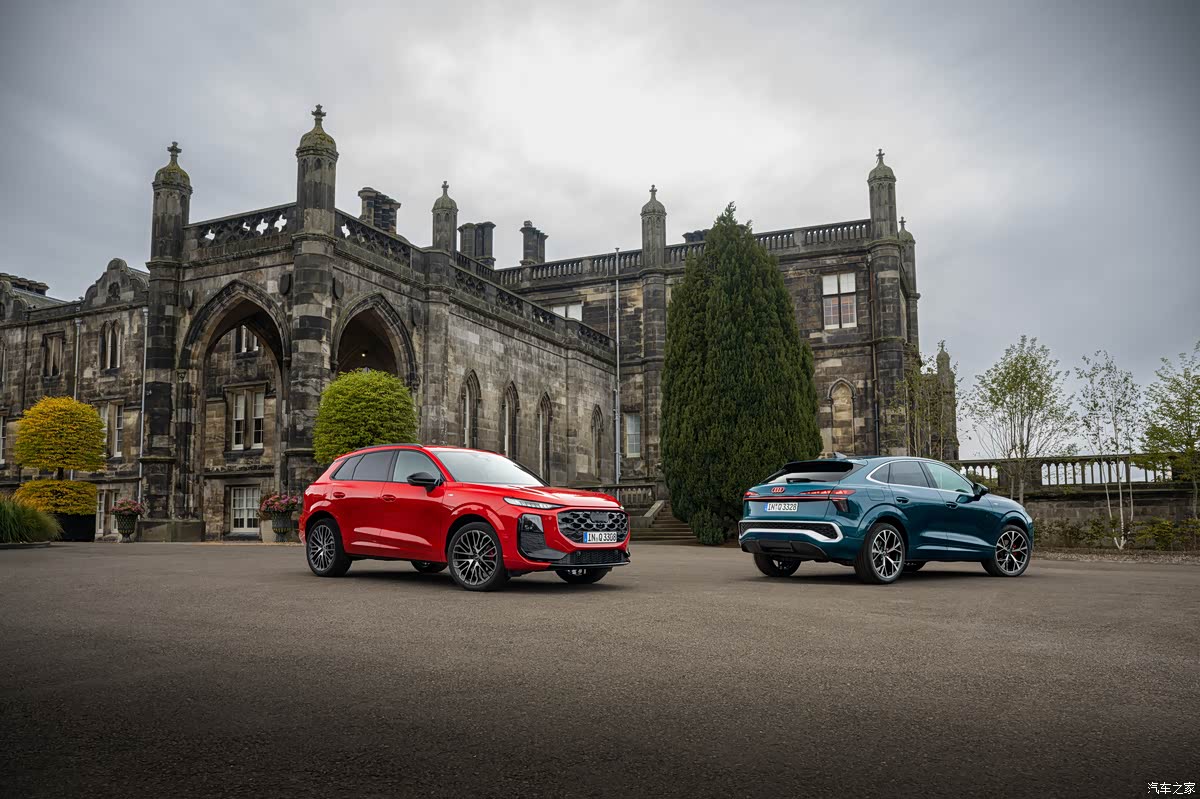
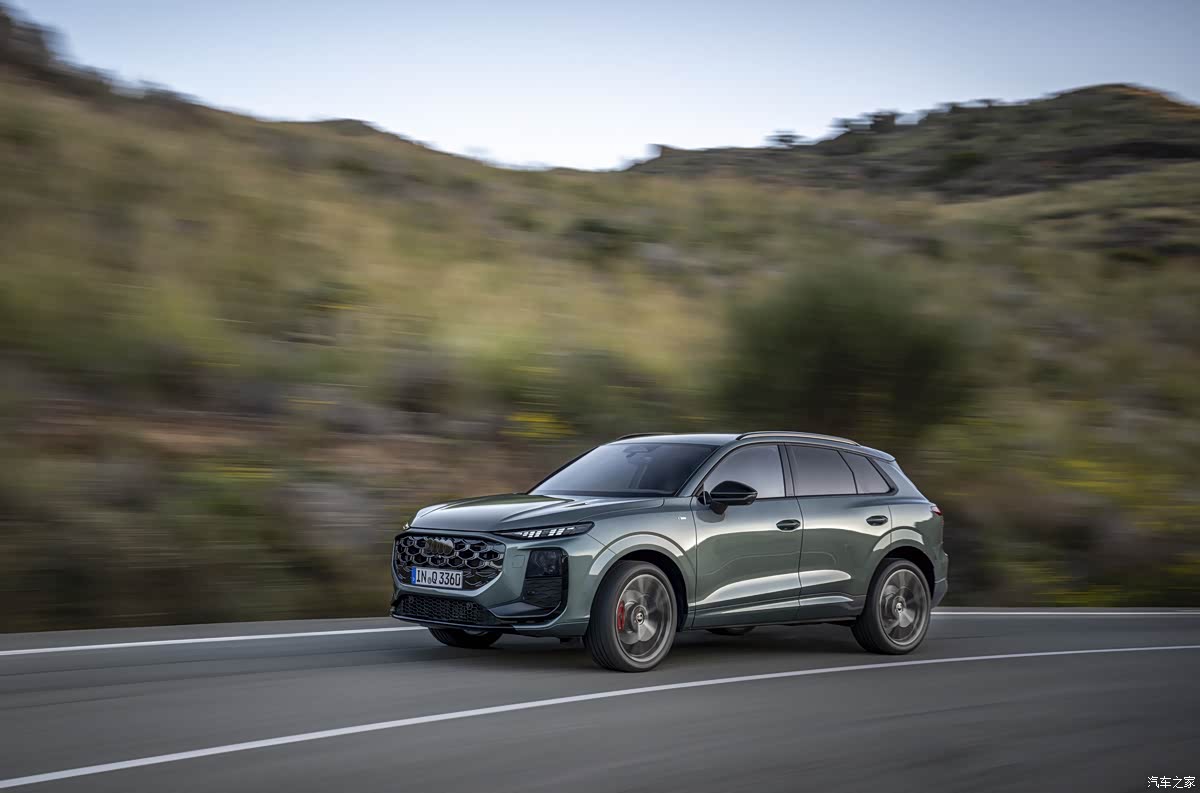
In terms of appearance, the new Audi Q3 retains the design of the current model, while a blacked-out aesthetic lends it a sportier look. The daytime running lights are programmable to display various patterns, and the vehicle is equipped with Digital Matrix LED headlights featuring adaptive cornering and projection capabilities; these headlights dynamically adjust light distribution to effectively prevent glare for oncoming traffic. The taillights are also programmable to display different patterns, and the rear badge features an illuminated design.
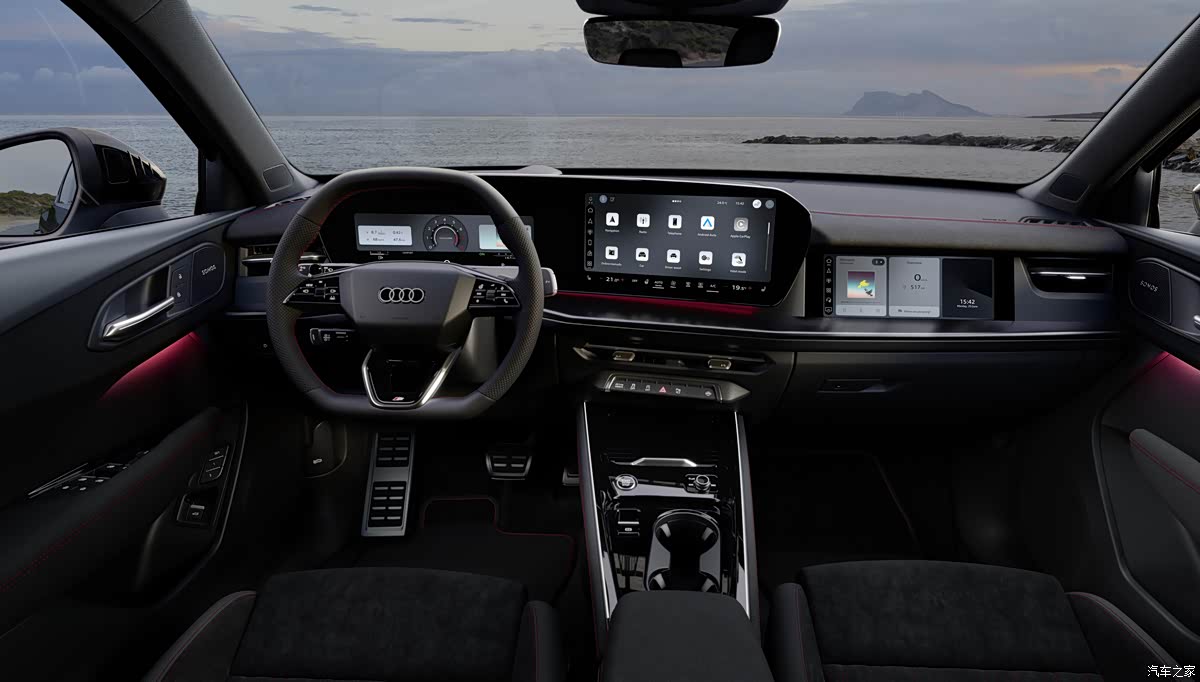
Regarding the interior, the highlight is the addition of a 10.9-inch front-passenger display—a first for the model; additionally, the vehicle features a head-up display, an 11.9-inch instrument cluster, and a 12.8-inch central touchscreen. Features such as a rearview camera, dual-zone automatic climate control, and heated seats are now standard equipment. The infotainment system has also been upgraded; the MMI system integrates more applications and can operate independently without a smartphone. Audi Assistant enables voice control for various vehicle functions. The steering wheel gains roller controls, the in-car wireless charging output has been increased from 15W to 25W, and three charging ports are provided for the rear seats.
The new Audi Q3 offers three personalized optional packages—Technology, Technology Plus, and Technology Pro—featuring upgrades such as suspension enhancements, acoustic glass, a Sonos sound system, and lumbar support. The new model also features an upgraded adaptive cruise control system that utilizes big data to adjust vehicle speed and following distance, while ensuring the security of in-vehicle data during valet parking.
In terms of powertrain, the new model retains the engine lineup of the current version. Gasoline models offer three powertrain options: the entry-level 1.5T model incorporates mild-hybrid and cylinder deactivation technologies for improved fuel efficiency. Mid- and high-output models are equipped with a 2.0T engine, delivering power outputs of 110 kW, 150 kW, and 195 kW, respectively; the mid- and high-output versions feature the quattro all-wheel-drive system and are paired with a 7-speed S tronic dual-clutch transmission. Additionally, a diesel variant with a maximum output of 110 kW is available. The Audi Q3 plug-in hybrid (PHEV) is equipped with a 25.7 kWh battery pack, offering an all-electric range of 120 km (WLTP cycle); its 1.5T PHEV system delivers a combined output of 200 kW and 400 Nm of torque. It supports 50 kW DC fast charging, allowing the battery to charge from 10% to 80% in less than half an hour. Furthermore, the maximum towing capacity of the PHEV model has been increased to 2,000 kg, an improvement of 600 kg over the previous generation.
Popular Products
Recent News
Copy© 2000-2024 Hebei Opportunity Trading Co., Ltd All rights reserved 
Quickly Inquiry
*Is it a dealer:
yes
no


