Welcome to Hebei Opportunity Co., Ltd
Is it worth importing a car from China? 8 FAQs answered!
Is it worth importing cars from China in 2025?
The short answer is "yes."
Chinese cars aren't what they were a decade ago. Yet, many remain skeptical and
curious. These people deserve some straightforward answers, and we'll provide them
today.
So, let's get started!
1. Why is it worth importing Chinese cars in 2025?
There are many reasons why importing Chinese cars in 2025 is worthwhile. Let's start with a few:
Affordability: Chinese cars are 20-40% cheaper than European or Japanese cars. Furthermore, Chinese cars offer excellent value for money. Buyers can enjoy high-end features at a fraction of the price of Western brands.
The Electric Vehicle Revolution: China produces over 60% of the world's electric vehicles. Chinese automakers BYD and Geely are leading electric vehicle innovation. Their models often feature cutting-edge battery technology and autonomous driving systems.
Quality Redefined: The Chinese automotive industry has undergone a dramatic transformation over the past decade. Once seen as an affordable option, Chinese cars now rival international brands in quality, technology, and design.
Adaptability: For importers in regions such as the Middle East and Africa, Chinese cars are particularly attractive due to their ability to adapt to local climate and road conditions.
Head of Automotive Exports: China will remain the world's largest auto exporter in 2025, with exports increasing several-fold in recent years. This growth is driven by competitive pricing and advanced features, particularly in electric vehicles (EVs).
These are just some of the many reasons why it’s worth importing Chinese cars in 2025. With improved reliability, importing Chinese cars in 2025 is not only economical, but smart!
2. How will the global trade landscape affect China's auto imports this year?
The global trade environment is rapidly changing. While regions like the EU and the US
have indeed increased tariffs on Chinese autos, many countries in Africa and the Middle
East maintain favorable trade policies for imported vehicles. This makes these markets
key destinations for Chinese automakers.
China's dominance as the largest auto exporter is due to its robust supply chain. The
country has established partnerships with exporters of essential goods, such as
semiconductors, ensuring stable production. For buyers, this means they can still
reliably purchase cars despite global market disruptions.
Thus, importing Chinese cars remains cost-effective in regions with fewer trade
restrictions. As global trade expands, countries enjoying favorable policies will continue
to reap the benefits of affordable Chinese cars.
3. How do the quality and performance of Chinese cars compare to other
imported cars?
The quality gap between Chinese cars and international brands has narrowed
significantly. A recent JD Power study shows that Chinese domestic brands now perform
on par with global competitors. Chinese cars outperform their competitors in areas such
as driver assistance and initial vehicle quality.
For example, Chery, which had the highest number of problems among Chinese brands,
reported only 203 problems per 100 vehicles, comparable to top international brands
like Lexus.
In terms of features, Chinese cars often outperform their competitors by offering
advanced technology at lower prices. Models like the Xiaomi SU7 include AI-powered
infotainment systems, autonomous driving capabilities, and superior
battery technology for electric vehicles.
While Western brands still lead the luxury car market, Chinese automakers are excelling
in price without sacrificing innovation. However, this doesn't mean that Chinese brands
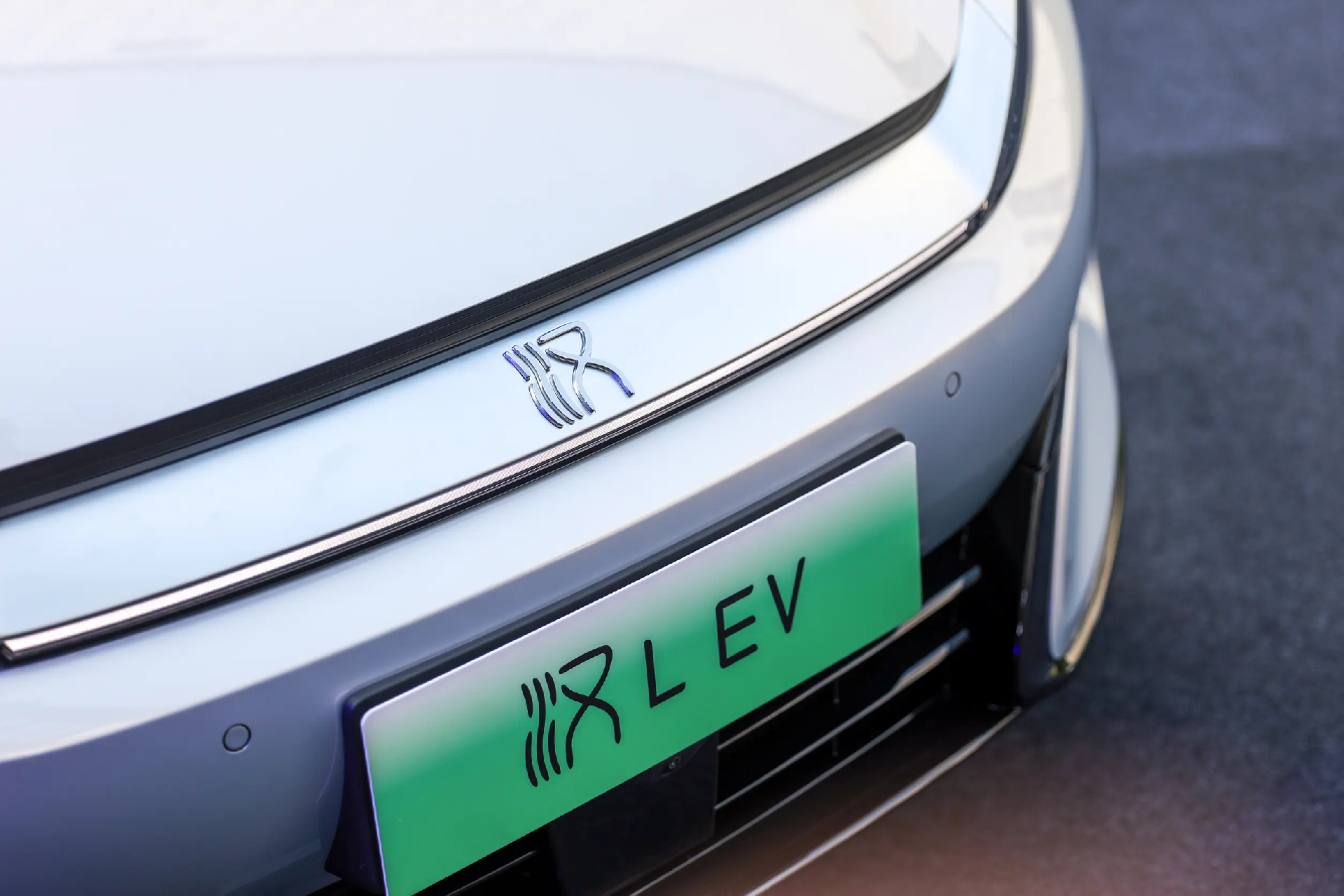
lack luxury models in their lineups. The Denza Z9GT DM and
Hongqi HQ9 PHEV can even outperform high-end German cars.
4. How does importing a Chinese car compare to buying one locally?
In many regions, importing a Chinese car is more cost-effective than buying a locally
manufactured one. If you live in countries like Algeria or Egypt, you may benefit from
lower import costs. This is primarily due to favorable trade agreements
between these countries and China. This makes imported Chinese models more
affordable than locally manufactured ones.
In addition, imported Chinese cars often come with advanced features that may
not be available in similarly priced local models. However, as with any imported car,
importing from China comes with certain costs, such as shipping and taxes.
Therefore, you should weigh these costs against the benefits of owning a more
technologically advanced vehicle at a competitive price.
5. Are Chinese cars reliable enough for long-term use?
Yes, reliability. Vehicle safety has been a key focus for Chinese automakers
for years. The latest models undergo rigorous quality control processes to
ensure durability and performance in a variety of conditions. Similarly, crash
test results have improved significantly. With C-NCAP ratings on par with
Euro NCAP, Chinese cars are safer than ever.
If you're worried about a shortage of spare parts, there's no need to worry.
Thanks to China's extensive manufacturing network, spare parts are readily
available. Furthermore, many Chinese dealers supply Chinese auto parts globally.
6. Which countries have the most relaxed import regulations for Chinese cars?
African and Middle Eastern countries generally have more streamlined import
regulations for Chinese cars. Similarly, countries like Algeria, Cameroon, Oman,
and Qatar also have relatively simple import procedures compared to Western
markets.
For example, Algerian importers can benefit from reduced tariffs on electric vehicles.
Similarly, if you're a buyer in Saudi Arabia, trade agreements will facilitate a smooth
import process. As for Egypt, their government is encouraging electric vehicle adoption
through tax incentives, making purchasing the latest electric vehicles from China a profitable option.
7. Is Chinese electric vehicle technology superior to Western brands?
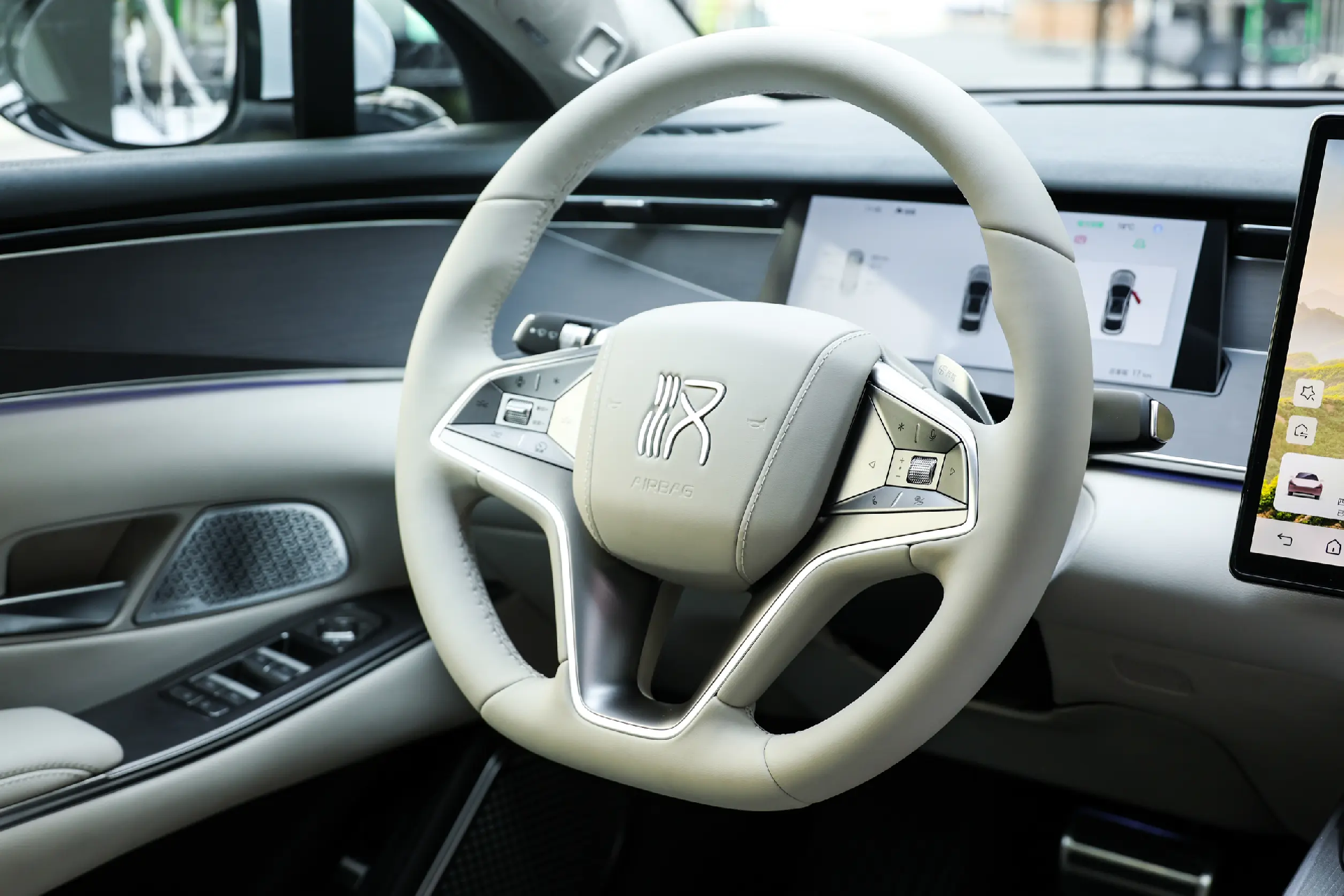
Yes, Chinese electric vehicles lead global innovation. They may not be superior in
every aspect, but they are definitely top-notch. Brands like BYD have set the
benchmark with their Blade Battery technology. Similarly, NIO's autonomous
driving system rivals Tesla's in accuracy and functionality.
Furthermore, China's emphasis on sustainable development has driven advances
in energy efficiency. Many electric vehicle models boast a range of over 400 kilometers
per charge, yet are priced significantly lower than their Western counterparts.
In short, Chinese electric vehicles dominate in terms of price without sacrificing
cutting-edge technology. For buyers seeking practical yet advanced solutions,
Chinese electric vehicles are hard to beat.
8. How does the cost of owning a Chinese car compare to competitors?
The cost of owning a Chinese car is one of its biggest selling points. Maintenance
costs are generally low, thanks to the global availability of affordable spare parts.
Efficient engines and long-range electric vehicle batteries further reduce the operating
costs of Chinese cars.
Insurance premiums for Chinese cars are also competitive, as many models meet
international safety standards after years of refinement. Furthermore, their initial
purchase price is generally lower, which also helps keep insurance premium low.
Final Words: Is Importing a Car from China Worth It in 2025?
Chinese cars have evolved into reliable, technologically advanced options that satisfy
budget-conscious buyers worldwide. From cutting-edge electric vehicles to feature-rich
economy cars, they offer unbeatable value for money.
If you're considering importing a car this year, OPPTY CAR can help. We simplify the entire
process of importing a car from China. We offer multiple global electric vehicle brands
and provide efficient, cost-effective shipping services, making the entire process seamless.
Let us handle the complexities for you, so you can enjoy the benefits of cutting-edge
Chinese electric vehicles. Contact our sales team and let's embark on this exciting
journey together.
Popular Products
Recent News

Copy© 2000-2024 Hebei Opportunity Trading Co., Ltd All rights reserved 
Quickly Inquiry
*Is it a dealer:
yes
no


